Stress and anxiety have become near-universal experiences in today’s fast-paced world. Whether stemming from work pressures, personal challenges, or the constant flow of information through technology, managing these emotions is crucial to our well-being. While stress and anxiety can sometimes be helpful by sharpening focus in critical moments, chronic exposure to these feelings without adequate relief leads to negative physical and mental health outcomes.
The structure berating exercise is an effective tool to manage stress. By focusing on the breath, these exercises activate the body’s relaxation response, helping to regulate emotions and bring calm to the mind. Practicing breathing techniques consistently contributes not only to stress management but also to a broader lifestyle of wellness, where mental, emotional, and physical health thrive.
This article will explore various breathing exercises designed to reduce anxiety and stress and illustrate how incorporating these techniques can contribute to a fuller, wellness-centered life.
Table of Contents
Understanding Anxiety and Stress
Manage anxiety and stress to effectively, it’s essential to understand what they are, how they differ, and why they impact us so strongly. Both fear and stress are natural responses, but their effects on the body and mind can vary significantly. Gaining a deeper understanding of these emotions sets a strong foundation for using breathing exercises as a tool for relief.
What is Stress?
Stress is the body’s natural response to perceived threats or challenges. When a person faces a stressful situation, the body releases hormones like cortisol and adrenaline. These hormones trigger the “fight-or-flight” response, avoid the threat, measure the body to either confront or avoid the threat. Short-term stress can actually be beneficial, giving an extra burst of energy or focus when needed. However, chronic stress—often caused by ongoing pressures such as work, relationships, or financial concerns—keeps the body in a heightened state of alert, which can be exhausting and harmful over time.
Common Physical Symptoms of Stress:
- Increased heart rate
- Muscle tension
- Rapid breathing or shortness of breath
- Sweating
- Sleep disturbances
Common Emotional Symptoms of Stress:
- Irritability and frustration
- Difficulty concentrating
- Feeling overwhelmed
- Anxiety and restlessness
What is Anxiety?
Anxiety is often an internal response identify by fear, feelings of worry, or apprehension about what might happen in the future while stress is a response of internal situation. Anxiety can sometimes be more intense than stress and tends to linger, even when there’s no clear, immediate threat. People with anxiety often experience physical symptoms similar to those of stress, but the symptoms are usually more persistent.
Common Physical Symptoms of Anxiety:
- Persistent fatigue
- Muscle aches
- Dizziness
- Difficulty breathing
- Heart palpitations
Common Emotional Symptoms of Anxiety:
- Constant worry or dread
- Difficulty relaxing
- Irrational fears
- Avoidance of certain situations or activities
How Anxiety and Stress Affect Overall Wellness
When stress and anxiety are left unmanaged, it can they can remarkably impact on our mental, physical, and emotional health. The effects aren’t only immediate but can extend into long-term health issues, including cardiovascular problems, weakened immune function, digestive disorders, and mental health challenges like depression. Moreover, chronic stress and anxiety can reduce one’s quality of life, making it harder to enjoy day-to-day activities and interactions. For these reasons, managing stress and anxiety is vital to maintaining a balanced and fulfilling life.
Why Managing Stress and Anxiety is Essential for Wellness
Living a wellness-centered life means cultivating habits that support optimal health and happiness. Effective stress management is one of the cornerstones of wellness because it helps regulate emotions, maintain mental clarity, and support physical vitality. Managing stress and anxiety can:
- Improve sleep quality
- Enhance focus and productivity
- Boost the immune system
- Lower blood pressure and promote heart health
- Contribute to emotional stability and resilience
Understanding these fundamentals of stress and anxiety underscores the importance of incorporating tools like breathing exercises into daily routines. With regular practice, these exercises can reduce the intensity of anxious or stressful responses, helping to establish a steady baseline of calm and mental clarity.

The Science Behind Breathing Exercises
Breathing exercises aren’t simply a new wellness trend; they are grounded in scientifically proven methods that impact the body’s physiological systems. Numerous studies highlight the effectiveness of breathing exercises in reducing anxiety, managing stress, and promoting relaxation. This section will delve into the science behind these techniques and explain why they are effective at helping people lead calmer, more centered lives.
The Physiology of Breathing and Stress
The way we breathe has a direct effect on our autonomic nervous system, this system regulates automatic body processes, including heart rate, digestion, and breathing patterns. The autonomic nervous system is divided into two main parts:
- The Sympathetic Nervous System (SNS) – Often referred to as the “fight-or-flight” response, this system is activated when the body perceives a threat. When engaged, the SNS increases heart rate, slows digestion, and diverts energy to the muscles, preparing the body to respond to danger.
- The Parasympathetic Nervous System (PNS) – Known as the “rest-and-digest” system, this counteracts the SNS, slowing reducing heart rate, lowering blood pressure, and encouraging relaxation and digestion.
When we are under stress or feeling anxious, the SNS dominates, which can lead to prolonged periods of heightened alertness and tension in the body. Breathing exercises, however, help activate the PNS, restoring balance and signaling to the brain that it’s safe to relax. By regulating the breath, we can shift the body into a state of calm, even in the presence of stressors.
Research and Data on the Benefits of Breathing Exercises
- Breathing and Heart Rate Variability (HRV): Research shows that breathing exercises improve heart rate variability (HRV), a marker of resilience and adaptability in the body’s response to stress. A study published in Frontiers in Psychology in 2017 demonstrated that controlled breathing could increase HRV, which indicates a balanced autonomic nervous system and reduced stress levels. Higher HRV is associated with a healthier, more resilient response to stress, while low HRV is often seen in individuals with chronic stress or anxiety disorders.
- The Relaxation Response: As per Dr. Herbert Benson, a explorer in mind-body medicine, coined the term “relaxation response,” which refers to the physiological state of calm that breathing exercises can induce. According to research led by Benson and published in Harvard Health, breathing exercises reduce the effects of stress by promoting this relaxation response, which decreases heart rate, lowers blood pressure, and eases muscle tension. This response counteracts the “fight-or-flight” reaction triggered by stress.
- Reduced Cortisol Levels: A study published in Psychoneuroendocrinology found that consistent practice of deep breathing exercises significantly reduces cortisol levels, the primary hormone associated with stress. Participants in the study who practiced controlled breathing saw a marked reduction in cortisol, demonstrating that breathwork can regulate the body’s hormonal response to stress and promote a sense of calm.
- Improved Cognitive Function and Emotional Regulation: Breathing exercises have been shown to enhance cognitive function and emotional regulation by impacting brain function. A study in Nature Scientific Reports in 2018 found that slow, controlled breathing increased activity involved to manage our emotions and maintaining focus and attention in regions of the brain. This indicates that breathing exercises not only calm the body but also sharpen mental focus and emotional resilience, which are essential for managing stress and anxiety.
- Anxiety Reduction and Improved Mood: Controlled breathing exercises are commonly used as part of interventions for anxiety disorders. A study published in Behavior Research and Therapy in 2017 highlighted those participants who practiced breathing techniques as part of their treatment experienced reduced anxiety symptoms. These exercises helped reduce symptoms of generalized anxiety disorder (GAD), post-traumatic stress disorder (PTSD), and panic disorder, underscoring their effectiveness in managing anxiety.
How Breathing Techniques Activate the Parasympathetic Nervous System
Breathing exercises are highly effective in alleviating stress and anxiety due to their capacity to stimulate the parasympathetic nervous system (PNS) through a mechanism known as vagal stimulation. The vagus nerve serves as the main conduit of the parasympathetic nervous system (PNS) and plays a crucial role in regulating the body’s relaxation response. When a person breathes deeply and slowly, it activates the vagus nerve, prompting the brain to decrease heart rate and relax muscles, leading to a heightened sense of calm.
Controlled breathing methods, especially those that focus on extending the exhalation, can strengthen the vagal response. The 4-7-8 breathing technique effectively prolongs the duration of exhalation, which is known to stimulate the parasympathetic nervous system (PNS) and help reduce stress levels. This technique involves inhaling for 4 seconds, pausing for seven secs, and then exhaling for 8 seconds.
Breath’s Connection to Mindfulness and Present Moment Awareness
Mindfulness-based practices often incorporate breathing exercises, emphasizing their effectiveness in grounding individuals in the present moment. When we focus on our breath, we anchor ourselves away from future worries or past regrets, redirecting our attention to the now. Research has shown that this mindful focus helps break the cycle of ruminative thinking associated with anxiety and fosters a sense of mental clarity. The Harvard Gazette published research indicating that mindful breathing reduces the mind’s tendency to wander, which is often linked to anxiety and stress. This connection to the present moment also improves focus, self-awareness, and emotional regulation.
In summary, the science behind breathing exercises reveals their strong physiological and psychological impact on reducing stress and anxiety. When practiced consistently, these techniques can help retrain the body’s response to stress, enabling a state of calm that supports overall wellness.
Top Breathing Exercises for Anxiety and Stress Relief
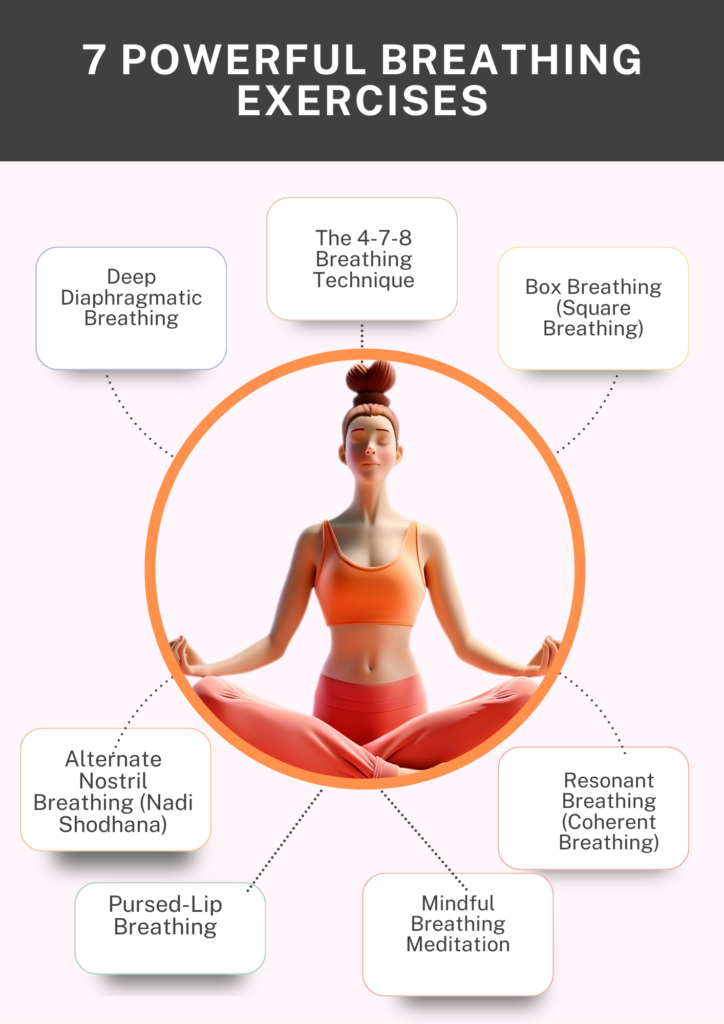
With the science behind breathing exercises established, let’s dive into some of the most effective methods for managing anxiety and stress and anxiety. Each exercise in this section provides unique benefits and can be practiced almost anywhere, making them accessible tools for stress relief and wellness.
1. Deep Diaphragmatic Breathing
Diaphragmatic breathing, often called ‘abdominal’ or ‘belly’ breathing is a foundational breathing exercise for stress relief. This technique engages the diaphragm, allowing for a fuller exchange of incoming oxygen and outgoing carbon dioxide, which can promote relaxation.
How to Practice Deep Diaphragmatic Breathing
- Find a comfortable position, either lying down or sitting up straight.
- Place one hand on your chest and the other on your abdomen.
- Breathe deeply through your nose, allowing your abdomen to expand while keeping your chest still.
- Leave your breath slowly through your mouth, feeling your abdomen contract.
- Repeat for 5–10 minutes, focusing on the rise and fall of your abdomen.
Benefits for Stress and Anxiety
Studies show that diaphragmatic breathing helps lower cortisol levels and improves heart rate variability, which is linked to a more resilient response to stress. Research featured in the International Journal of Yoga found that diaphragmatic breathing significantly reduces stress and promotes mental clarity.
Tips for Beginners
- Try practicing this exercise lying down if you’re new to it, as this position makes it easier to focus on diaphragmatic movement.
- For added relaxation, practice in a quiet, dimly lit environment or play calming music in the background.
2. The 4-7-8 Breathing Technique
The 4-7-8 breathing technique was popularized by Dr. Andrew Weil and is designed to reduce anxiety and improve sleep quality. This method involves a specific rhythm that lengthens the exhalation phase, which helps activate the parasympathetic nervous system.
How to Practice the 4-7-8 Breathing Technique
- Sit or lie down comfortably.
- Breathe in gently through your nose to a count of 4.
- Hold that breath for 7 seconds
- Then fully release it through your mouth over a count of 8, making a “whooshing” sound.
- Repeat the cycle 4 times, working up to 8 cycles as you become more comfortable with the practice.
Benefits for Stress and Anxiety
The extended exhalation phase promotes relaxation and calms the nervous system. Research suggests that breath retention (holding the breath) and a longer exhale may help to release stress and create a soothing effect on the body.
3. Box Breathing (Square Breathing)
Box breathing, or square breathing, is a simple and structured breathing exercise often used by athletes, military personnel, and those in high-stress roles to maintain focus and calm. It involves inhaling, holding, exhaling, and holding again for an equal count, which helps center the mind and body.
How to Practice Box Breathing
- Sit comfortably with your spine straight.
- Inhale gently through your nose while counting to 4.
- Hold your breath for another 4 counts.
- Then exhale gradually through your mouth for a final count of 4.
- Hold again for a count of 4.
- Repeat the cycle for 5–10 minutes.
Benefits for Stress Relief and Focus
Box breathing is an excellent exercise for grounding, as it focuses attention on counting and breath control. A study published in Frontiers in Psychology revealed that box breathing effectively reduces heart rate and increases cognitive clarity, which can be helpful during stressful situations.
4. Alternate Nostril Breathing (Nadi Shodhana)
A technique rooted in ancient yogic practices, alternate nostril breathing is known to balance the body’s energy, reduce stress, and enhance mental clarity. This exercise involves breathing through one nostril at a time, alternating to create a balanced flow of breath.
How to Practice Alternate Nostril Breathing
- Sit comfortably and place your left hand on your knee.
- Using your right thumb, close your right nostril.
- Inhale deeply through your left nostril.
- Close your left nostril with your right ring finger and release your right nostril.
- Exhale fully through the right nostril.
- Inhale through the right nostril, close it, then exhale through the left nostril.
- Repeat the cycle for 5–10 minutes.
Benefits for Mindfulness and Calm
Research in the Journal of Clinical Psychology has found that alternate nostril breathing can improve cognitive performance and promote relaxation. This technique’s rhythmic and mindful nature also makes it an effective tool for grounding, calming both body and mind.
5. Pursed-Lip Breathing
Pursed-lip breathing is a straightforward technique often recommended for people who experience shortness of breath or feel overwhelmed by anxiety. It involves slowing down the breathing process by focusing on a long, controlled exhalation.
How to Practice Pursed-Lip Breathing
- Breath in slowly by your nose for a count of 2.
- Pucker your lips as if you’re blowing out a candle.
- Leave breath slowly and gently through your pursed lips for a count of 4.
- Continue for 5–10 minutes.
Benefits for Quick Relaxation
This technique is effective for reducing rapid breathing and restoring a sense of calm. Research from the American Lung Association has shown that pursed-lip breathing can improve oxygen intake and slow heart rate, which is especially beneficial for immediate stress relief.
6. Mindful Breathing Meditation
Mindful breathing meditation combines breathing techniques with the principles of mindfulness, encouraging full attention on the breath and the sensations of each breath in and breath out. This exercise is particularly beneficial for reducing chronic stress and cultivating long-term emotional resilience.
How to Practice Mindful Breathing Meditation
- Sit in a comfortable position, closing your eyes if desired.
- Feel the sensation of air entering and leaving your body being to focus on your breath.
- With each breath, try to deepen your inhalation and exhalation slightly, but don’t force it.
- If your mind wanders, gently bring it back to focus on your breath.
- Continue this practice for 10–20 minutes, building up over time if desired.
Benefits for Long-Term Anxiety Relief
Studies in Mindfulness Journal have shown that mindful breathing enhances emotional regulation and reduces anxiety over time. By focusing solely on the present moment, this practice helps break cycles of ruminative thinking and cultivates greater mental clarity.
7. Resonant Breathing (Coherent Breathing)
Resonant breathing, also known as coherent breathing, involves breathing at a rate of about five breaths per minute to reach a state of calm. This specific rate is believed to balance the nervous system, making it a highly effective technique for stress relief and emotional balance.
How to Practice Resonant Breathing
- Sit comfortably with your back straight.
- Inhale slowly through your nose for a count of 6.
- Exhale gently for a count of 6, maintaining a steady rhythm.
- Continue this pattern for 5–10 minutes.
Benefits for Anxiety and Wellness
Studies indicate that resonant breathing can help synchronize heart and breath rates, reducing stress and improving mental focus. This slow, rhythmic breathing is particularly beneficial for those experiencing anxiety and promotes resilience against stress over time.
Breathing Practice into our Daily Life
Creating a regular practice of breathing exercises can make a profound difference to controlling stress and anxiety over time. However, the key to reaping the full benefits is consistency. This section covers strategies for incorporating these exercises into your daily routine, as well as tips for maintaining consistency even during busy or stressful times.
Building a Routine with Breathing Exercises
The best way to develop a habit is by incorporating breathing exercises at specific times of day when they can become part of a natural routine. Here are some effective times to practice:
- Morning Start-Up: Beginning your day with breathing exercises sets a calm, centered tone. Spending just 5–10 minutes on exercises like diaphragmatic breathing or box breathing upon waking can help reduce morning stress, provide mental clarity, and prepare you for the day.
- Midday Stress Relief: If you often feel tension building up during the day, try taking a short breathing break. The 4-7-8 breathing or pursed-lip breathing are excellent choices for quick relaxation and refocusing. Breathing can significantly lower stress hormones and recharge your energy by practicing it just for few minutes.
- End-of-Day Wind Down: Practicing breathing exercises in the evening can signal to your body that it’s time to relax and prepare for rest. Techniques like mindful breathing meditation or the 4-7-8 method are effective in calming the mind and encouraging deeper, more restful sleep.
Tips for Staying Consistent
Building consistency with breathing exercises is easier with a few practical strategies:
- Start Small and Build Up: Begin with just a few minutes a day, and regularly increase your practice as you become more relaxed. Setting realistic goals makes it easier to stick with the routine over the long term.
- Set Reminders: Plan a daily notice on your phone or calendar to encourage regular practice. These gentle reminders can keep you on track, especially in the early stages of building a habit.
- Pair Breathing Exercises with Existing Routines: Link breathing exercises with activities you already do daily, such as brushing your teeth, making coffee, or commuting. This strategy, called “habit stacking,” helps create a more seamless routine.
- Practice Breathing in Real-Time Situations: The true value of breathing exercises is their ability to calm the body during moments of acute stress. If you’re feeling overwhelmed, incorporate box breathing or pursed-lip breathing on the spot to regain focus. The more you practice in real situations, the easier it becomes to use breathing techniques when you need them most.
Adapting Breathing Techniques to Different Situations
Breathing exercises can be tailored to suit various situations and environments. Here’s how to adapt them to your needs:
- During Work or Study
- Box breathing and pursed-lip breathing are excellent for calming nerves and increasing focus. Practice these techniques if you’re preparing for a presentation, facing a challenging task, or taking a study break.
- Before and After Physical Exercise
- Diaphragmatic breathing before exercise can help oxygenate the body, while mindful breathing post-workout helps cool down the body and reduce muscle tension. This practice can also make physical activity feel more enjoyable by promoting better breathing during movement.
- Social and High-Stress Situations
- Many people experience anxiety in social settings or during high-stress moments. Practicing alternate nostril breathing or 4-7-8 breathing before or during such events can significantly reduce stress, helping you feel more at ease and confident.
Creating a Tranquil Environment for Breathing Practice
To make your practice as relaxing as possible, consider creating a designated “breathing space.” This can be a quiet corner of your home where you feel at ease, free from distractions. Adding soft lighting, comfortable seating, and perhaps some relaxing music can enhance your experience and make it more enjoyable.
If you’re on the go, remember that breathing exercises can be done almost anywhere, from a quiet room at home to your desk at work or even in a parked car. While an ideal environment helps, the true power of these exercises lies in their versatility and the ease with which you can use them anytime, anywhere.
Living a Wellness Life through Breath and Beyond
Breathing exercises are a gateway to a more balanced and fulfilling life. When practiced consistently, they foster not only a calmer mind but also a broader wellness lifestyle. This final section discusses how to integrate breathing exercises with other wellness practices and the long-term benefits of a life anchored in conscious, mindful breathing.
Integrating Breathing Exercises with Other Wellness Practices
To live a holistic wellness lifestyle, breathing exercises can be paired with other practices that support mental, emotional, and physical health:
- Exercise and Movement
- Physical activity, whether it’s yoga, walking, or strength training, pairs well with breathing exercises. Many workouts, especially yoga and Pilates, incorporate breath control, which enhances the effectiveness of both activities. Diaphragmatic breathing before exercise can prime the body, while post-exercise mindful breathing aids in recovery and relaxation.
- Mindfulness and Meditation
- Breathing aerobics form the basis of many mindfulness and meditation practices. Regular breathing practice helps focus the mind, making it easier to transition into deeper meditation. Mindful breathing meditation, for example, combines breath awareness with mindfulness principles to enhance emotional regulation and stress management.
- Nutrition and Hydration
- Practicing mindful eating, which involves focusing on the taste, texture, and sensation of food, can benefit from deep, calm breathing. Slowing down the breath while eating helps you stay present, improves digestion, and prevents overeating by giving your brain time to register fullness.
- Sleep Hygiene
- Quality sleep is crucial for overall wellness. Incorporating breathing exercises like 4-7-8 breathing before bed can help cool the anxious system and decrease insomnia or restlessness. Establishing a bedtime routine that includes calming breathwork can lead to deeper, more restorative sleep.
How a Focus on Breath Can Change Your Outlook on Wellness
A focus on breath can shift one’s mindset toward a more grounded and balanced perspective on wellness. Breathing practices encourage us to be mindful of the present moment, fostering a sense of gratitude, patience, and resilience. Over time, this outlook helps to counterbalance stress, making daily challenges more manageable and dropping the overall influence of stress on the body and mind.
Long-Term Benefits of a Wellness Lifestyle Anchored in Conscious Breathing
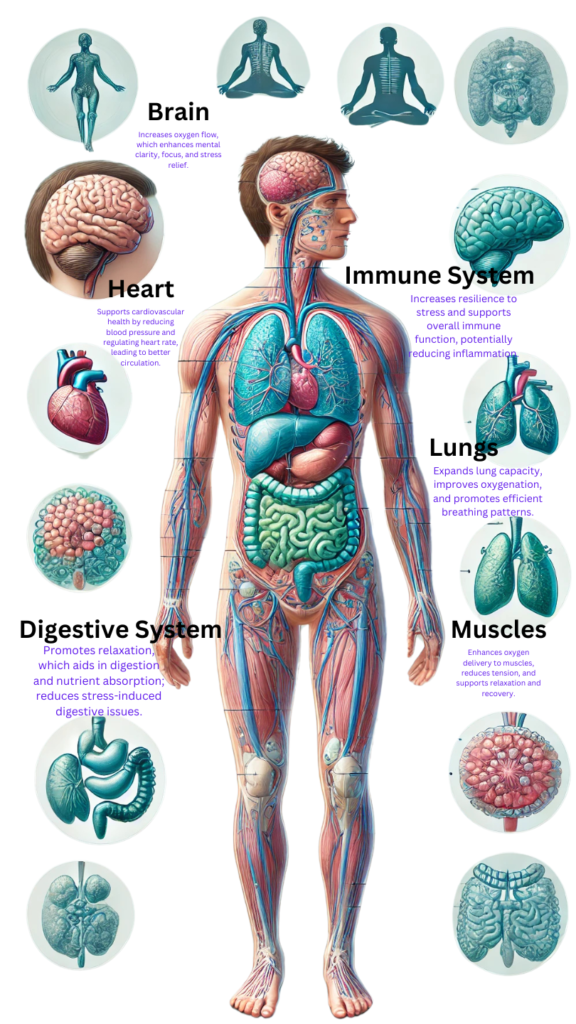
The positive effects of regular breathing exercises extend beyond immediate stress relief. When practiced consistently, these techniques contribute to long-term wellness by improving emotional resilience, enhancing physical health, and supporting cognitive function. Some of the long-term benefits of a wellness lifestyle rooted in conscious breathing include:
- Enhanced Emotional Regulation
- Consistent practice builds resilience against stress and anxiety, making it easier to regulate emotions and respond calmly to challenges.
- Improved Physical Health
- Breathing exercises promote cardiovascular health, strengthen lung function, and enhance immune response, which can lead to greater overall health and vitality.
- Heightened Mental Clarity and Focus
- Regular breathwork sharpens focus and supports mental clarity, helping you remain present and productive in day-to-day tasks.
- Stronger Mind-Body Connection
- Focusing on the breath fosters awareness of the body’s signals, promoting a deeper understanding of personal health needs. This mind-body connection supports intuitive wellness practices, such as eating when hungry, resting when tired, and maintaining a balanced approach to work and life.
Final Thoughts on Breath as a Pathway to Wellness
In the journey toward wellness, breathing exercises offer a modest yet reflective tool that anybody can use. These practices don’t require special equipment, can be done at any time, and adapt easily to individual needs and preferences. By establishing a daily practice, breathing exercises become an empowering tool for reducing stress and anxiety, promoting a calm mind, and encouraging a wellness-centered lifestyle.
A commitment to breathwork transforms more than just stress levels; it enhances overall quality of life. In cultivating a regular practice, you are investing in not only your current well-being but also in a lifelong path to health, resilience, and inner peace.