
Schizophrenia is a severe psychiatric disorder that significantly affects both mental and physical well-being. It disrupts brain function, impacting thoughts, memories, sensory experiences, and behaviors. As a result, individuals with schizophrenia may face challenges in many aspects of daily life, including relationships—whether professional, social, or romantic. Without treatment, schizophrenia can lead to behaviors that increase the risk of injury or illness, and it can also make organizing thoughts difficult.

Table of Contents
What is Schizophrenia?
Schizophrenia is a chronic, complex mental health condition that affects how a we think, feels, and behaves. It’s often misunderstood and stigmatized, partly because of its symptoms, which include hallucinations, delusions, and cognitive challenges. It impacts approximately 20 million people globally, according to the World Health Organization (WHO). Although challenging, there’s hope: we can live wellness live with the right treatment and support for schizophrenia.
Key Points Covered in This Article
- Symptoms and types of schizophrenia
- Causes, risk factors, and the biology behind it
- Schizophrenia’s impact on physical, mental, and emotional health
- Treatment options, recent research, and recovery stories
- Future directions and ongoing research in schizophrenia treatment
Understanding Schizophrenia: A Complex Mental Health Disorder
How Schizophrenia Differs from Other Disorders
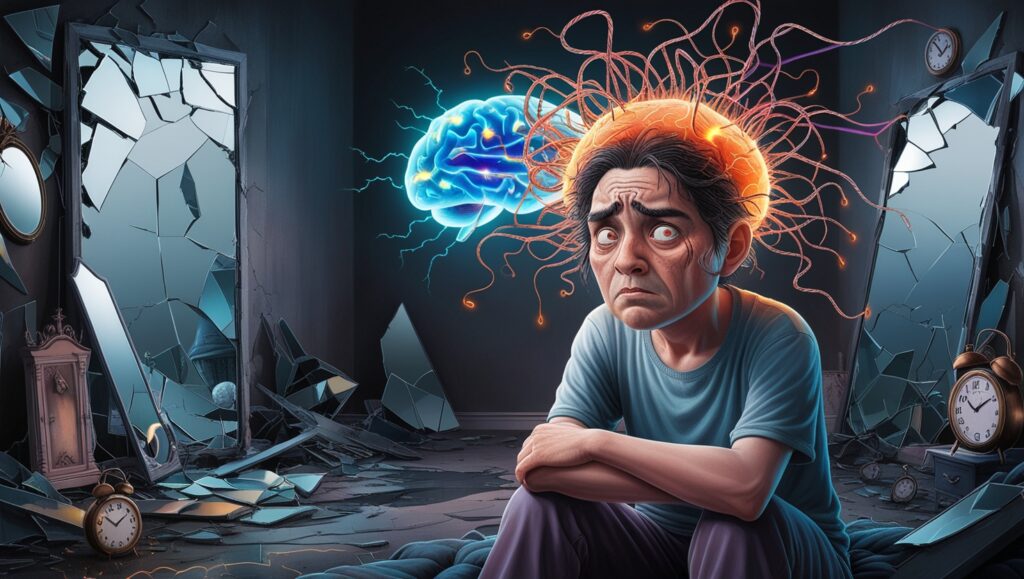
Schizophrenia isn’t like mood disorders or anxiety. It affects perception, thought processes, and emotional responsiveness in ways that make it hard to distinguish what’s real from what’s imagined. Unlike other mental health disorders, schizophrenia is known for its intense “psychotic episodes,” which may include:
- Hallucinations: It is a situation that we hear voices or see things that aren’t present.
- Delusions: Strong, often bizarre beliefs that resist logic, like believing in conspiracies or fearing being watch ed.
- Disorganized Thinking: Incoherent speech, erratic thoughts, and difficulty focusing.
Subtypes and Symptoms of Schizophrenia
Schizophrenia is broadly classified into different types, though these are more fluid than distinct:
- Paranoid Schizophrenia: Characterized by delusions, hallucinations and paranoia that is considered intense, almost all the time we appear to be paranoid, and usually has auditory hallucinations.
- Disorganized Schizophrenia: This involves disorganized speech and thought patterns which makes it difficult to carry out daily tasks.
- Catatonic Schizophrenia: Marked by unusual motor behaviors, from total immobility to excessive movements.
Main Symptoms Categories
- Positive Symptoms: These add behaviors, such as hallucinations and delusions.
- Negative Symptoms: It takes away our behaviors, like we feel lack of motivation or inability to experience pleasure.
- Cognitive Symptoms: Issues with memory, decision-making, and attention.
The Causes and Risk Factors Behind Schizophrenia
Schizophrenia’s exact cause remains unknown, but research highlights a blend of genetics, environment, and brain chemistry as influential factors.
Genetic Links to Schizophrenia
Family history plays a significant role: if an immediate family member has schizophrenia, a person’s risk is approximately 10%, compared to the general population risk of about 1%. Twin studies also reveal a strong genetic link, showing that identical twins have a 40-50% chance of both having schizophrenia if one twin is diagnosed.
Environmental Triggers and Influences
Environmental factors, particularly in early life, may also play a role. These include:
- Prenatal Exposure to Infections: Some studies link prenatal infections and malnutrition with an increased risk of schizophrenia.
- Stressful Life Events: Trauma, particularly in childhood, can elevate risks.
- Substance Use: Psychoactive drugs, especially during adolescence, we have been related with an increased risk of creating schizophrenia.
Brain Structure and Neurotransmitters
Brain imaging research indicates that people with schizophrenia have structural brain abnormalities including enlarged ventricles and decreased gray matter. A disturbed level of neurotransmitters, particularly dopamine and glutamate, are also involved in the disorder. Dopamine is a neurotransmitter and chemical associated with mood and cognition that is often discovered to have an imbalance in the symptomology of those with schizophrenia.
The Impact of Schizophrenia on Physical, Mental, and Emotional Health
Physical Health Challenges
People With the increased risks of heart disease, diabetes, and obesity, people with schizophrenia have a higher risk (9). Some patients require antipsychotic medications for treatment, which can also cause weight gain and metabolic disease, further complicating health in those patients.
Effects on Mental Health and Emotional well-being
Living with schizophrenia can feel isolating due to the social stigma and the mental toll of symptoms. This often leads to secondary issues such as depression and anxiety. Social isolation is also common, affecting quality of life and leading to poorer outcomes in employment and personal relationships.
Social and Economic Impact of Schizophrenia
Many people with schizophrenia struggle with maintaining employment, which impacts their financial security and independence. As per the study by the National Alliance on Mental Illness (NAMI), approximately 85% of people with schizophrenia are unemployed, primarily due to challenges in workplace environments and limited social support networks.
Treatment Now Available: Living a full life on schizophrenia
Schizophrenia is a chronic condition that we can managed it with a combination of medicines, therapy, and support systems. Below is a summary of the main therapeutic approaches.
Medications: The base of the treatment
Antipsychotic drugs are a mainstay in the treatment of psychotic symptoms associated with schizophrenia. These medications change the brain, especially, the level of dopamine.
- Typical Antipsychotics (First-Generation): These drugs, such as Haloperidol, are effective but often come with more side effects, including tremors and rigidity.
- Atypical Antipsychotics (Second-Generation): Medications like Risperidone and Olanzapine are preferred today because they are generally associated with fewer side effects and better patient adherence.
Psychotherapy and Psychosocial Support
Therapy is essential in schizophrenia treatment, especially Cognitive Behavioral Therapy (CBT), which helps individuals manage symptoms and build coping skills.
- Family Therapy: In this therapy we need to educates our family members on supporting their loved ones, reducing relapses by creating a stable home environment.
- Social Skills Training: Helps patients reintegrate into social settings, improving employment prospects and social functioning.
Innovative Treatments and Emerging Therapies
Several promising approaches are under development:
- Transcranial Magnetic Stimulation (TMS): This uses magnetic fields to stimulate brain areas linked to schizophrenia symptoms.
- Psychedelic-Assisted Therapy: Early research indicates that certain psychedelics, when used in controlled settings, might alleviate some symptoms, though research is still in early stages.
Schizophrenia and the Importance of Early Diagnosis
Research consistently shows that early detection and intervention can drastically improve outcomes for people with schizophrenia. Signs to look out for include social withdrawal, decreased motivation, unusual thinking patterns, and sudden declines in academic or work performance.
Neuroimaging and Predictive Biomarkers for Early Diagnosis
Researchers have been trying to find biomarkers that could signal whether you will develop schizophrenia before you show symptoms. Neuroimaging studies suggest that differences in brain structure can be detected long before diagnosis, thus permitting preventive intervention for those who go on to develop the illness.
Current Status of Schizophrenia Treatment and New Research
Genetic Studies and Tailor-Made Healthcare
As genetic research has improved, scientists have begun to find some of the genes responsible for schizophrenia. Customized treatments could take into consideration a person of their genetic profile — and hope can be that personalized medicine is able to provide the most effective treatments with the least side effects.
The Chemistry of the Brain / Neurotransmission Studies
Dopamine’s role in schizophrenia is well-known, but other neurotransmitters like glutamate are also being studied. New medications aim to target these pathways more precisely, reducing symptoms with fewer side effects.
Early Intervention Programs and Psychosocial Support
In countries such as Norway and the Netherlands, early intervention programs that merge medical treatment, social support and therapy are showing promise. H Such programs produce effective results, particularly with regard to decreasing hospitalization rates and enhancing treatments for long-term recovery.
Living with Schizophrenia: Stories of Hope and Recovery
Schizophrenia — Life with Schizophrenia — Truth, Hope and a Silver Lining
Personal Recovery Journeys
Most of the individuals who do suffer from Schizophrenia do have meaningful lives, work, and be in relationships or develop hobbies. Such as that of Elyn Saks, a professor and legal scholar who has spoken openly about her own experience with schizophrenia, as a model to guide her more or less whole population.
Community and Peer Support
Resources, support, and advocacy are available through organizations like the Schizophrenia & Psychosis Action Alliance (S&PAA). They also teach the public some of the reality of living with schizophrenia, the significant role that understanding plays in reducing the stigma that goes along with the illness.
Importance of Reducing Stigma
After all, the stigma associated with schizophrenia is still one of the biggest hindrances to treatment. It is necessary to educate, and awareness should be raised so that society stands by us and do not push us to the margins of in-existence with child and young adults with schizophrenia.
The Evolution of Schizophrenia Care: What We Can Expect
Breakthroughs in Digital Health and Telemedicine
More recent developments in mental health apps, digital support communities, and teletherapy options are pushing mental health out of its silo and into the mainstream as it becomes more accessible. Therapeutic tools, such as virtual reality (VR) and artificial intelligence (AI) are also being considered.
Advocacy for Mental Health Policy Changes
Effective treatment also requires comprehensive mental health policies. Advocacy groups work tirelessly to secure funding for mental health services, improve insurance coverage, and implement guidelines that will protect us to the rights and well-being of individuals with schizophrenia.
Hope for a Cure through Ongoing Research
While there is no cure for schizophrenia yet, the future looks promising. Research on gene therapy, neuroplasticity, and even stem cells is ongoing, pushing the boundaries of our understanding and treatment capabilities.
Conclusion: Paving the Way for a Supportive Future for Schizophrenia
Schizophrenia is a complex and challenging condition, but with continued research, enhanced treatments, and growing societal awareness, those affected can lead fulfilling