
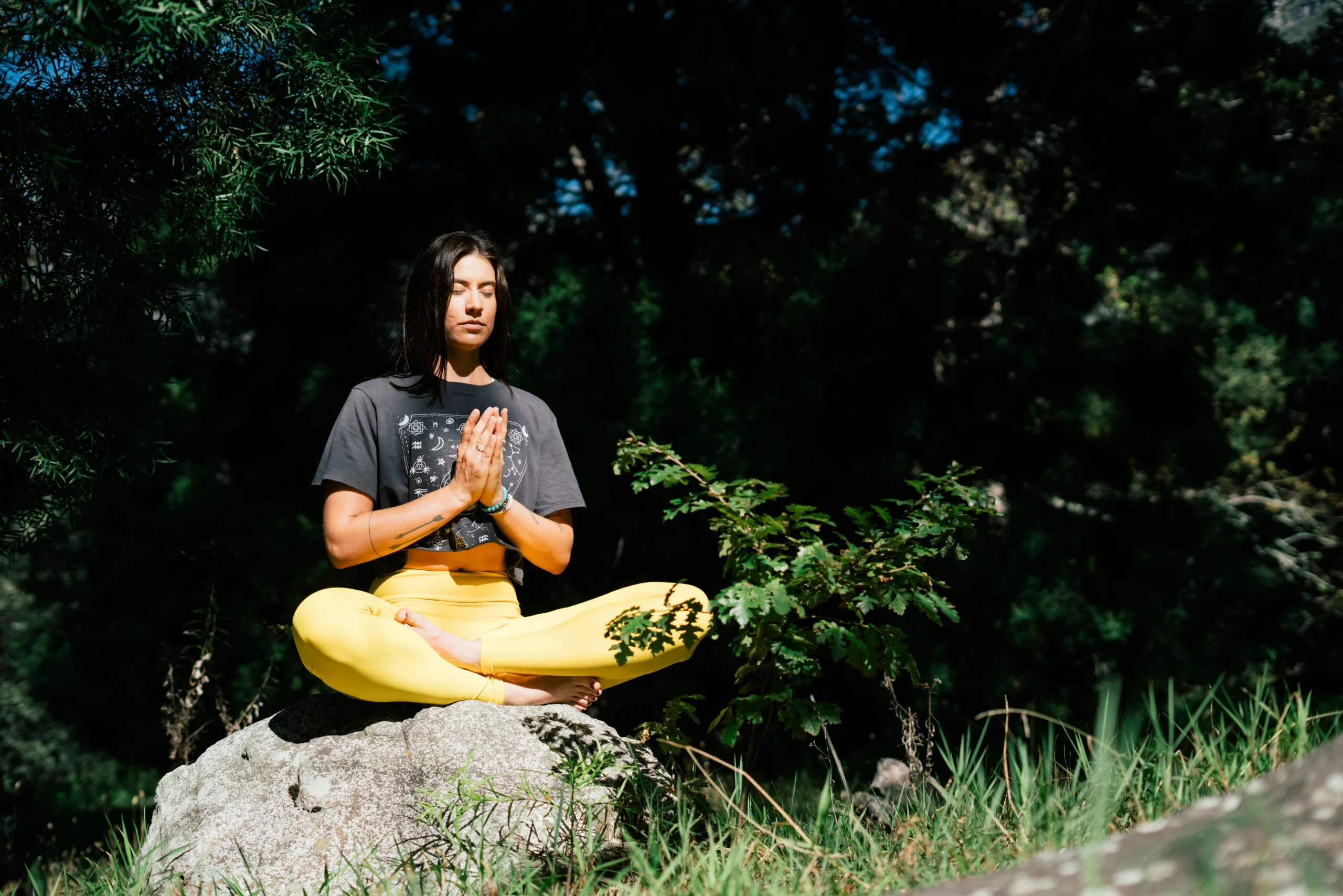
In a world that never seems to slow down, the need to find moments of peace and mindfulness has never been greater. Mindfulness practices offer a way to ground yourself in the present, encouraging calmness, focus, and emotional balance. In this guide, we’ll explore key mindfulness techniques, their benefits, and how we can utilized it into our daily routines for leading us to improve our mental, emotional, and physical well-being.
Table of Contents
What is Mindfulness?
Mindfulness is the practice of bringing your attention to the current moment with an open and accepting attitude. Without cutting up our emotions, thoughts, and sensations it will make us aware of it. When practiced consistently, mindfulness can improve emotional regulation, lower stress levels, and enhance focus.
A study by the American Psychological Association (APA) highlights that people who practice mindfulness regularly experience lower stress levels and greater emotional well-being. Whether through meditation, breathing exercises, or mindful movement, mindfulness techniques can help counter the negative effects of a busy lifestyle.
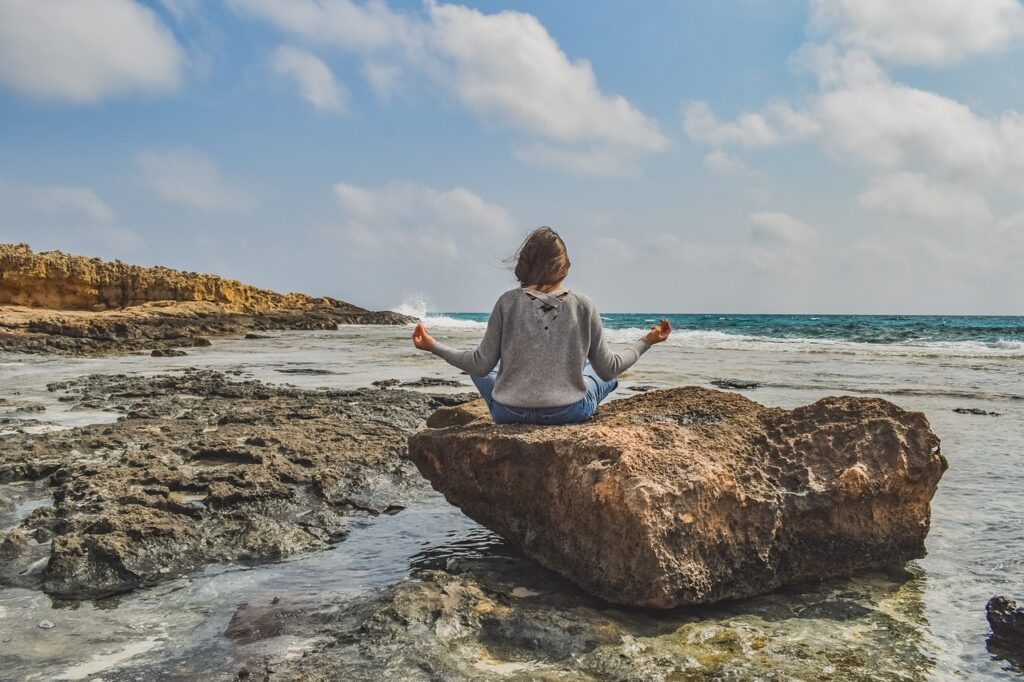
Mindfulness Techniques
Let’s dive into 5 of the most popular and effective mindfulness practices, categorized for clarity:
1. Mindful Breathing Techniques
Mindful breathing is one of the best way for mindfulness practices and can be done almost anywhere. It involves focusing your attention on your breath, helping to center your thoughts and calm your mind.
Steps to Practice Mindful Breathing:
- Find a quiet environment where you feel comfortable, it may be at your home or may be in a park.
- Taker a relaxed posture by sitting or lie down.
- Gently close your eyes and take slow, deliberate breaths, paying close attention to the feeling of each breath as it enters and leaves your body.
- Breathe naturally, without forcing it. Follow normal of your chest and abdomen as they gently expand and contract with each breath.
- If your thoughts begin to wander, gently redirect your focus to your breathing.
Benefits:
- Stress Reduction: Mindful breathing helps lower cortisol, the hormone responsible for stress.
- Increased Focus: It will be improves our ability to concentrate on tasks throughout the day.
- Better Sleep: Studies show mindful breathing can help us when we are struggling when we are affected insomnia or irregular sleep patterns.
2. Mindful Meditation
Mindful meditation is a practice of sitting quietly and observing your thoughts, emotions, and bodily sensations. This technique cultivates a sense of inner peace and emotional clarity.
Steps to Practice Mindful Meditation:
- Find a peaceful setting, such as a room or outdoor space where you won’t be distracted.
- Sit comfortably, with your back straight, and rest your hands on your lap.
- Breathe deeply, paying attention to the feeling of air moving in and out of your body.
- If any thoughts or worries arise, acknowledge them without judgment, then gently return to focusing on your breathing.
Benefits:
- Emotional Balance: Meditation promotes emotional stability and reduces symptoms of anxiety and depression.
- Physical Health: Regular meditation can reduce blood pressure and improve heart health, according to research from Johns Hopkins University.
3. Body Scan Meditation
Body scan meditation is a mindfulness practice that enhances awareness of physical sensations, promoting relaxation and tension release.
Steps to Practice Body Scan Meditation:
- Make comfort your position by sitting or may be lying down, in a calm, distraction-free environment.
- Close your eyes and take a few slow breaths, focusing on each part of your body from head to toe.
- As you mentally scan your body, notice any areas of tension or discomfort, and breathe deeply into these areas.
- As you breathe out, visualize any stress or tightness dissolving and leaving your body completely.
Benefits:
- Improved Relaxation: Body scan meditation is known for its ability to deeply relax the body and mind.
- Pain Management: Studies show it can be beneficial for individuals dealing with chronic pain.
4. Mindful Movement
Mindful movement is an extension of mindfulness that incorporates physical activity, focusing on the connection between body and mind. Whether it’s yoga, tai chi, or walking, the goal is to remain present while performing each movement.
Common Forms of Mindful Movement:

- Yoga: We may get extra benefits by combining of our physical postures, breathing, and mediation which will promotes our mental and physical well-being both.
- Tai Chi: A form of Chinese martial arts that involves slow, deliberate movements aimed at cultivating inner calm and physical strength.
- Walking Meditation: This form of meditation is like to walking slow and mindfully by focusing each of our step and sensations will creates in our body.
Benefits:
- Enhanced Physical Fitness: Mindful movement can improve flexibility, balance, and overall fitness.
- Stress Relief: Engaging in these activities helps release built-up stress and tension in the body.
5. Mindful Eating
Mindful eating is the experience of eating, from the sensations in your mouth to the thoughts and emotions that arise during meals.

Steps to Practice Mindful Eating:
- Eliminate distractions: Avoid watching TV, checking your phone, or multitasking while eating.
- Savor each bite: Take smaller portions and chew slowly, focusing on the flavors, textures, and aromas of your food.
- Tune into your body’s hunger and fullness signals: Recognize when you’re genuinely hungry or full to avoid overeating.
Benefits:
- Healthier Eating Habits: Mindful eating helps you avoid overeating and encourages you to choose nutrient-rich foods.
- Improved Digestion: When you eat mindfully, your body digests food more efficiently, which can reduce bloating and discomfort.
Digital Tools for Mindfulness
With the rise of technology, there are several apps that can help guide your mindfulness journey. It will be guide us for meditation, breathing, and even improve our sleeping quality.
Top Mindfulness Apps:
- Headspace: It will guide us for mediation and mindfulness exercises to improve our focus and sleep qualities by reducing stress.
- Calm: Focuses on relaxation techniques, sleep stories, and mindfulness practices.
- 10% Happier: Provides mindfulness content specifically for those skeptical about meditation and its benefits.
Statistical Evidence Supporting Mindfulness
Research overwhelmingly supports the physical and mental benefits of mindfulness practices. Below is a table that summarizes key statistics on mindfulness benefits:
Benefit Statistical Improvement Reduced Anxiety 60% reduction Improved Sleep 45% improvement Enhanced Focus 30% increase Lowered Stress Levels 40% decrease in cortisol
As per a published study by Harvard Medical School, mindfulness training can also improve brain structure, such as in the areas of our learning, memory, and emotional regulation.
Mindfulness practices are simple yet transformative tools that can significantly enhance your quality of life. Whether it’s through mindful breathing, meditation, or mindful eating, these practices help reduce stress, improve emotional regulation, and promote overall well-being.
By consistently incorporating mindfulness techniques into your daily routine, you’ll cultivate a more balanced and fulfilling life, allowing you to better navigate challenges and embrace moments of peace and presence.
References:
- Harvard Medical School Research on Mindfulness – Harvard Health
- American Psychological Association on Mindfulness – APA
- Johns Hopkins University Study on Meditation – Johns Hopkins Medicine
