

Healthy hair contributes to your beauty and confidence. If you are worried about hair loss or are already experiencing it, this article will help you to overcome from this problem. Hair loss, also known as alopecia, is a common condition affecting millions worldwide, especially men. Whether it occurs gradually or suddenly, hair loss can be permanent or may be temporary and significantly impact a person’s confidence and self-esteem. To find effective treatments we need to understanding the causes are critical steps to managing hair loss and maintaining healthy hair beauty, which boosts your confidence and, in many cases, even reversing it.
This comprehensive guide will discuss the types, symptoms, causes, and treatment options for hair loss, as well as preventive measures and lifestyle changes you can adopt to maintain healthy hair.
Table of Contents
What is Hair Loss
Hair loss, it can affect scalp and the body both by various factors such as genetics, hormonal changes, medical conditions, or ageing. It is more prevalent in men, with hereditary hair loss or androgenic alopecia being the most common form. However, women can also experience significant hair thinning and loss. By take care of your hair you can promote healthy hair and restore your confidence.

Important Advisory
- For any medical treatments mentioned in this article, consulted eith a qualified healthcare professional for personalized advice.
- While natural remedies may provide benefits for some individuals, they are not scientifically proven, and their effectiveness can vary significantly.
Types of Hair Loss
There are many types of hair loss exist, each with unique symptoms and causes:
Androgenic Alopecia:
Androgenetic alopecia, commonly known as our pattern baldness, is a hereditary condition caused by increased sensitivity to hormones called androgens, affecting nearly 50% of both genders. It typically begins after puberty, with men experiencing hair loss mainly at the crown and temples. At the same time, women often retain their frontal hairline, leading to thinning at the crown and a wider center part. Accurate diagnosis involves examining the hair loss pattern and family history. Options for hair fall treatments include medications like minoxidil and finasteride, hair transplants, and lifestyle changes.
A strong support system of healthcare professionals, including dermatologists and mental health experts, is essential for personalized management. Recent studies highlight that nutrition and stress management also play important roles in hair health, reinforcing the need for a holistic treatment approach.
Types of Androgenic Alopecia:
Androgenic alopecia, or pattern baldness, affects all but appears differently in each gender.
01. Male Pattern Baldness (MPB) usually starts with a falling hairline and thinning at the crown. Around 70% of men experience some hair loss by age 70, often due to genetics and hormonal changes like increased testosterone.

02. Female Pattern Baldness (FPB): typically involves overall thinning, especially at the crown, while the frontal hairline remains intact. About 50% of women experience hair thinning by age 50, with hormonal changes during menopause significantly impacting hair density.
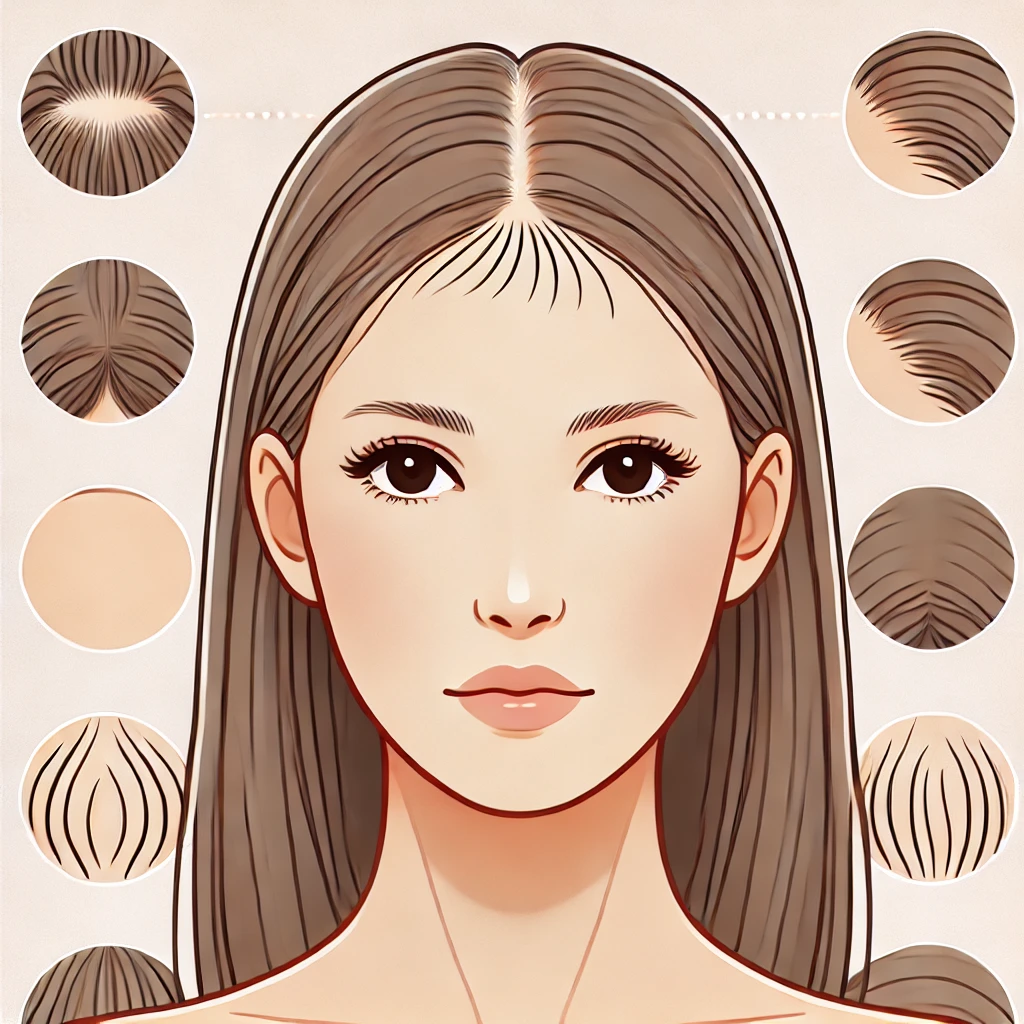
Both types are influenced by genetics and hormones. Treatments like minoxidil and finasteride can help, but results vary. A balanced diet also can improve hair helth, that is packed with minerals and vitamins, along with stress management, can improve hair health. For personalized advice, individuals should consult healthcare professionals to explore treatment options.
Alopecia Areata:
Androgenetic alopecia, commonly known as our pattern baldness, is a hereditary condition caused by increased sensitivity to hormones called androgens, affecting nearly 50% of both genders. It typically begins after puberty, with men experiencing hair loss mainly at the crown and temples. At the same time, women often retain their frontal hairline, leading to thinning at the crown and a wider center part. Accurate diagnosis involves examining the hair loss pattern and family history. Options for hair fall treatments include medications like minoxidil and finasteride, hair transplants, and lifestyle changes.
A strong support system of healthcare professionals, including dermatologists and mental health experts, is essential for personalized management. Recent studies highlight that nutrition and stress management also play important roles in hair health, reinforcing the need for a holistic treatment approach.
Types of Alopecia Areata:
01. Alopecia Areata: This is the most common type, characterized by sudden round patches of hair loss on the scalp or other areas of the body. It can affect any hair-bearing region, including eyebrows and eyelashes.
02. Alopecia Totalis: In this type, there is complete hair loss on the entire scalp. People with alopecia totalis often find it difficult to cope with the sudden change in their appearance.
03. Alopecia Universalis: This is the most severe form, where all body hair, including eyebrows and eyelashes, is lost. It can be emotionally challenging, and many people seek support groups to connect with others facing similar experiences.
04. Alopecia Areata Diffusa: This type involves thinning hair all over the scalp rather than in distinct patches. It can make the hair appear overall thinner without noticeable bald spots.
05. Alopecia Areata Monolocularis: This type features a single bald spot, usually small, that may go unnoticed initially. Many people find that this type can resolve on its own without treatment.
Understanding these types helps individuals recognize their condition and seek appropriate treatment. Recent research highlights that some forms of alopecia areata can be triggered by stress, so managing stress levels may be beneficial in preventing flare-ups.
Telogen Effluvium:
Telogen Effluvium is a temporary hair loss condition where stress, illness, or hormonal changes cause more hair than usual to enter the resting phase, leading to noticeable thinning or shedding. Though alarming, it’s not permanent, and hair often grows back once the trigger is resolved. Natural remedies like green tea rinses and biotin supplements may help, while tropical treatments such as aloe vera and hibiscus are used to nourish the scalp. For medical options, Platelet-Rich Plasma (PRP) therapy can stimulate hair follicles. Interestingly, managing stress through techniques like meditation or yoga can speed up recovery, and new treatments like cold laser therapy are showing promise.
Types of Telogen Effluvium
Two main types of Telogen Effluvium:
01. Acute Telogen Effluvium is the more common type, usually triggered by a sudden event like illness, stress, or major surgery. It typically causes hair loss a few months after the event, but the good news is that it often resolves within six months, and hair starts growing back naturally once the issue is addressed.
02. Chronic Telogen Effluvium lasts longer and is harder to pinpoint because it’s often linked to long-term stress, hormonal changes, or nutritional deficiencies. Hair continues to thin over time, and regrowth might take longer even after the trigger is resolved. It’s important to find and treat the underlying cause to stop the cycle.
An extraordinary bit of information is that both types can be influenced by seasonal shedding, where hair loss is more noticeable during certain times of the year. New studies also suggest that chronic inflammation in the scalp can contribute to longer-term Telogen Effluvium, making anti-inflammatory diets or treatments a possible aid for recovery.
Anagen Effluvium:
Hair loss name Anagen Effluvium happens when the active (anagen phase) growth phase of the hair cycle. Unlike other hair loss conditions, this happens quickly, and the most common cause is exposure to toxic chemicals, such as chemotherapy. It affects the hair roots, leading to rapid hair shedding, often within days or weeks of the trigger.
There are two types of Anagen Effluvium:
- Reversible Anagen Effluvium occurs when the hair loss is temporary, such as after chemotherapy. Usually hair starts to grow back cupule of weeks or my more after the treatment stops.
- Irreversible Anagen Effluvium, on the other hand, happens when the hair follicles are permanently damaged, which is rare but can occur with very strong chemicals or radiation exposure.
Traction Alopecia:
It caused by repeated pulling or tension on the hair, often from tight hairstyles like ponytails, braids, or wearing hair extensions. Over time, this constant stress weakens the hair may thin, hair follicles, or hair can be loss in the affected areas. It’s common around the hairline, temples, or areas where the hair is under the most tension.
There are two types of Traction Alopecia:
- Temporary Traction Alopecia occurs when hair loss is caught early, and the follicles are still able to recover. Simply changing your hairstyle or reducing tension on the hair can allow it to grow back naturally.
- Permanent Traction Alopecia, however, happens when the hair follicles are too damaged and can no longer produce hair, leading to permanent bald spots.
Common Symptoms of Hair Loss
Hair loss manifests in several ways, depending on its cause. The most common symptoms include:
- Gradual thinning is the most prevalent sign of hair loss, typically starting at the top of the head.
- Bald spots are circular or patchy bald spots that may appear on the scalp, beard, or eyebrows.
- Sudden hair loosening: Physical or emotional trauma can cause hair to loosen and thin rapidly.
- Medical treatments like chemotherapy often cause full-body hair loss, though hair usually grows over time.
- Itchy or painful scalp: A condition such as alopecia areata or an infection can cause itching or discomfort before hair loss.
Causes of Hair Loss
Many factors can contribute to hair loss. The most common causes include:
- Genetics: Hereditary hair loss is the leading cause of hair thinning, primarily androgenic alopecia.
- Hormonal Changes: During pregnancy hormonal imbalances caused , childbirth, or menopause can be the courses to hair loss.
- Medical Conditions: Thyroid disease, scalp infections, and autoimmune diseases like lupus can trigger hair loss.
- Medications: Some drugs can be the causes of hair loss as a side effect such as cancer, high blood pressure, or depression.
- Poor Nutrition: Deficiencies in essential nutrients such as iron and protein can result in hair thinning.
- Stress: Sometime emotional or physical stress can be the causes to barriers of the natural hair growth that will the cause of temporary hair loss or thinning.
Comprehensive Guide to Hair Loss Treatments
Hair loss can can be happens, including genetics, stress, illness, or physical strain on the hair. Different treatments have to take for each type of hair loss requires different treatments, and understanding the options available is key to managing the condition. From natural remedies and tropical treatments to medical interventions, there are many ways to promote hair regrowth or prevent further loss. In this table, we break down the main types of hair loss, that’s are including Androgenic Alopecia, Alopecia Areata, Telogen Effluvium, Anagen Effluvium, and Traction Alopecia.
Each category highlights specific treatments, ranging from non-prescription natural options to medical solutions, along with helpful warnings and recommendations for each condition. Whether it’s using essential oils, topical treatments, or advanced therapies like PRP or hair transplants, there is hope for managing hair loss and promoting healthy hair regrowth.
Hair Fall Types & Treatments
| Type of Hair Fall | Child Type of Hair Fall | Natural Treatments | Tropical Treatments | Medical Treatments |
| Androgenic Alopecia | Male Pattern Baldness (MPB) | – Saw Palmetto – Biotin Supplements | – Coconut Oil Massage – Aloe Vera for scalp health | – Finasteride (Propecia) – Minoxidil (Rogaine) |
| Female Pattern Baldness (FPB) | – Pumpkin Seed Oil – Zinc and Iron Supplements | – Hibiscus Hair Mask – Papaya Scalp Treatment | – Hormone Therapy – Low-Level Laser Therapy | |
| Alopecia Areata | Alopecia Areata | – Onion Juice – Essential Oils like Lavender | – Aloe Vera Gel – Moringa Oil | – Corticosteroid Injections – JAK Inhibitors |
| Alopecia Totalis | – Green Tea Rinse – Natural Anti-Inflammatory Diet | – Coconut Milk Rinse – Guava Leaves | – Immunotherapy – Diphencyprone (DPCP) | |
| Alopecia Universalis | – Garlic Gel for Scalp – Vitamin D Supplements | – Banana Hair Mask – Castor Oil | – Immunosuppressive Drugs – Oral Corticosteroids | |
| Alopecia Areata Diffusa | – Fish Oil Supplements – Omega-3 Rich Foods | – Curry Leaves for Hair Health – Avocado Mask | – Corticosteroid Creams – PRP (Platelet-Rich Plasma) | |
| Alopecia Areata Monolocularis | – Fenugreek Seed Paste – Vitamin E Supplements | – Neem Oil for Scalp Stimulation – Coconut Oil | – Minoxidil – Anthralin (Cream for Immune Modulation) | |
| Telogen Effluvium | Acute Telogen Effluvium | – Green Tea Rinse – Biotin and Zinc Supplements | – Aloe Vera Gel – Curry Leaves Hair Tonic | – PRP Therapy – Minoxidil |
| Chronic Telogen Effluvium | – Ginseng Extract – Omega-3 Fatty Acids | – Hibiscus Extract – Papaya Hair Mask | – Hormone Therapy – Hair Transplant Surgery | |
| Anagen Effluvium | Reversible Anagen Effluvium | – Omega-3 Rich Foods – Antioxidant-Rich Diet | – Aloe Vera Juice for Hair – Castor Oil | – Chemotherapy Hair Regrowth Support – PRP Therapy |
| Irreversible Anagen Effluvium | – Vitamin D and B Complex Supplements | – Coconut Oil Scalp Massage – Moringa Oil | – Hair Transplant – Scalp Micropigmentation | |
| Traction Alopecia | Temporary Traction Alopecia | – Castor Oil Massage – Vitamin E Supplements | – Avocado Hair Mask – Guava Leaves Hair Rinse | – Topical Minoxidil – PRP Therapy |
| Permanent Traction Alopecia | – Fish Oil Supplements – Anti-Inflammatory Diet | – Coconut Oil for Scalp Stimulation – Aloe Vera Gel | – Hair Transplant Surgery – Scalp Micropigmentation |
Reviews of Hair Loss Treatments: Benefits and Weaknesses
There are many reason that occur hair loss, including genetics, stress, or physical strain on the hair. It is essential to understand various types of treatments options available for managing the condition effectively. This table outlines the benefits and weaknesses of different types of hair loss treatments, including natural remedies, tropical options that don’t require prescriptions, and medical interventions. Each category provides a unique perspective on how to promote hair regrowth or prevent further loss, helping individuals find the best solution for their specific needs.
1. Minoxidil (Rogaine):
Minoxidil, known as Rogaine, is an FDA-approved, over-the-counter topical solutions are customize to combat hair thinning and promote regrowth. Minoxidil helps revitalize dormant follicles, leading to stronger and thicker hair growth by stimulating hair follicles and increasing blood flow to the scalp. It is one of the most popular treatments for hereditary hair loss for us.
Benefits and Weaknesses Minoxidil (Rogaine)
| Benefit | Weakness |
| Clinically proven to regrow hair in most users | Requires consistent, daily application |
| Stimulates hair follicles for fuller, thicker hair | Initial shedding may occur in the early stages |
| Available without a prescription | Takes a few months for visible results |
| Effective for both men and women | Mild scalp irritation may occur in some users |
| Easy to apply foam or liquid format | Results vary from person to person |
| Helps prevent further hair loss | Must be used long-term to maintain benefits |
| Affordable and readily available | |
| Backed by years of clinical research |
Minoxidil is a topical treatment commonly used for hereditary hair loss. It may help promote hair regrowth by increasing blood flow to the scalp. However, its effectiveness varies, and it is essential to use it consistently for best results. Before starting minoxidil we should consulted with a professional, in case of if you have sensitive skin or scalp conditions it is mandatory.
2. Finasteride (Propecia):
Finasteride, commonly known as Propecia, is an FDA-approved oral medication designed to treat male pattern baldness. It works by blocking the hormone DHT, which causes hair follicles to shrink, leading to hair loss. By lowering DHT levels, Finasteride helps to stop further hair loss and even promote regrowth in some cases. It is one of the most effective prescription treatments for male hair loss.
Benefits and Weaknesses Finasteride (Propecia)
| Benefit | Weakness |
| Scientifically validated to effectively halt hair loss in men. | Requires a prescription |
| Can promote hair regrowth in balding areas | Potential for minor side effects (e.g., reduced libido) |
| Easy once-daily oral medication | Results may vary between users |
| Reduces DHT levels, preventing further hair loss | Long-term use is needed to maintain results |
| Effective in over 80% of men who use it | Not suitable for women |
| Backed by years of clinical studies |
Finasteride is a highly effective solution for men looking to combat hair loss, with proven results in halting further thinning and even regrowing hair in many cases. It’s a trusted, easy-to-use option for long-term hair restoration.
3. Hair Transplant Surgery:
Hair transplant surgery is hair will be plugs into empty area by taking hair where is hair thickest and implanting them into the balding areas. This method works well for people with hereditary baldness. However, multiple sessions may be required for lasting results, and it may not be suitable for individuals with autoimmune-related hair loss, such as alopecia areata.
Benefits and Weaknesses of Hair Transplant Surgery
| Benefit | Weakness |
| Permanent, long-lasting solution | Can be expensive |
| Natural-looking hair growth | Multiple sessions may be required |
| Minimal maintenance after recovery | Risk of infection or scarring |
| Effective for male and female baldness | Results may take several months to show |
Hair transplant surgery, It is a big decision, but with the right preparation and professional advice, it can be a permanent solution to our hair loss while restoring your confidence.
4. Platelet-Rich Plasma (PRP) Therapy:
PRP therapy involves drawing your blood, separating the plasma, and injecting it into your scalp to stimulate hair growth. While PRP is an experimental treatment, it has shown promising results in helping regrow hair and prevent further loss, though multiple sessions are necessary.
Benefits and Weaknesses of PRP
| Benefit | Weakness |
| Utilizes your own blood, reducing side effects | Multiple treatments may be needed |
| Non-surgical with minimal downtime | Results vary between patients |
| Enhances other hair loss treatments | Can be costly over time |
| Helps promote natural hair growth | Improvement takes time to show |
5. Low-Level Laser Therapy:
Low-Level Laser Therapy (LLLT) is a non-invasive treatment that uses low-powered lasers or light-emitting diodes (LEDs) to stimulate hair follicles, aiming to encourage hair growth. This painless procedure is often used for treating thinning hair and pattern baldness, as it increases blood flow to the scalp, promoting healthier hair follicles.
Benefits and Weaknesses LLLT
| Benefit | Weakness |
| Non-invasive and painless procedure | Results may take time to appear |
| Can be used at home with approved devices | Effectiveness varies between individuals |
| No downtime required after treatment | Can be costly over the long term |
| May help improve hair density | Requires consistent use for visible results |
- Eat a Balanced Diet: Ensure you’re getting enough calories, iron, protein, and other nutrients essential for hair health.
- Manage Stress: Practice relaxation techniques such as yoga or meditation to keep stress levels in check.
- Avoid Tight Hairstyles: Opt for looser hairstyles to avoid excessive tension on your hair follicles.
- Limit Chemical Treatments: Excessive use of blow dryers, hair straighteners, or chemical dyes can weaken your hair over time.
- Protect Your Scalp: If you experience significant hair loss, wear sunscreen or a hat outside to protect your scalp from UV damage.
Statistical Insight on Hair Loss in the U.S.
Hair loss is widespread. According to the American Academy of Dermatology (AAD), the average person loses between 50 to 100 strands of hair daily. This is a regular phase in the hair’s natural growth process. However, more than 80 million Americans are affected by hereditary hair loss (androgenic alopecia). Women make up nearly 40% of hair loss sufferers, and many don’t seek treatment due to stigma. Hair loss related to stress, such as telogen effluvium, has also increased, partly due to societal stressors like the COVID-19 pandemic.
Final Thoughts
Hair loss is challenging, but many effective treatments can help manage and even reverse it. Early intervention, coupled with an understanding of the underlying causes, is vital to success. Whether it’s medication, surgery, or lifestyle changes, there is hope for those experiencing hair loss. Always consult a healthcare provider to determine the best course of action for your condition.