

Introduction to Pink October
Pink October focused on increasing awareness of breast cancer, a disease that affects millions of people’s life and their families worldwide, Pink October is a major worldwide effort held every October. This month-long campaign aims to inform the public on the need of early detection in enhancing the outcomes for disease diagnosis. Regular screenings, especially mammograms, can greatly improve survival rates and reduce the effect of breast cancer when found early, claims the World Health Organization (WHO).
October is a month for solidarity and support for women fighting breast cancer as much as it is for education. It covers patients, survivors, and their loved ones, therefore building a community that supports resilience and optimism. Furthermore essential for funding initiatives aimed at boosting research for novel preventative measures and better treatments is Pink October.
Table of Contents
Pink Ribbon The Iconic Symbol
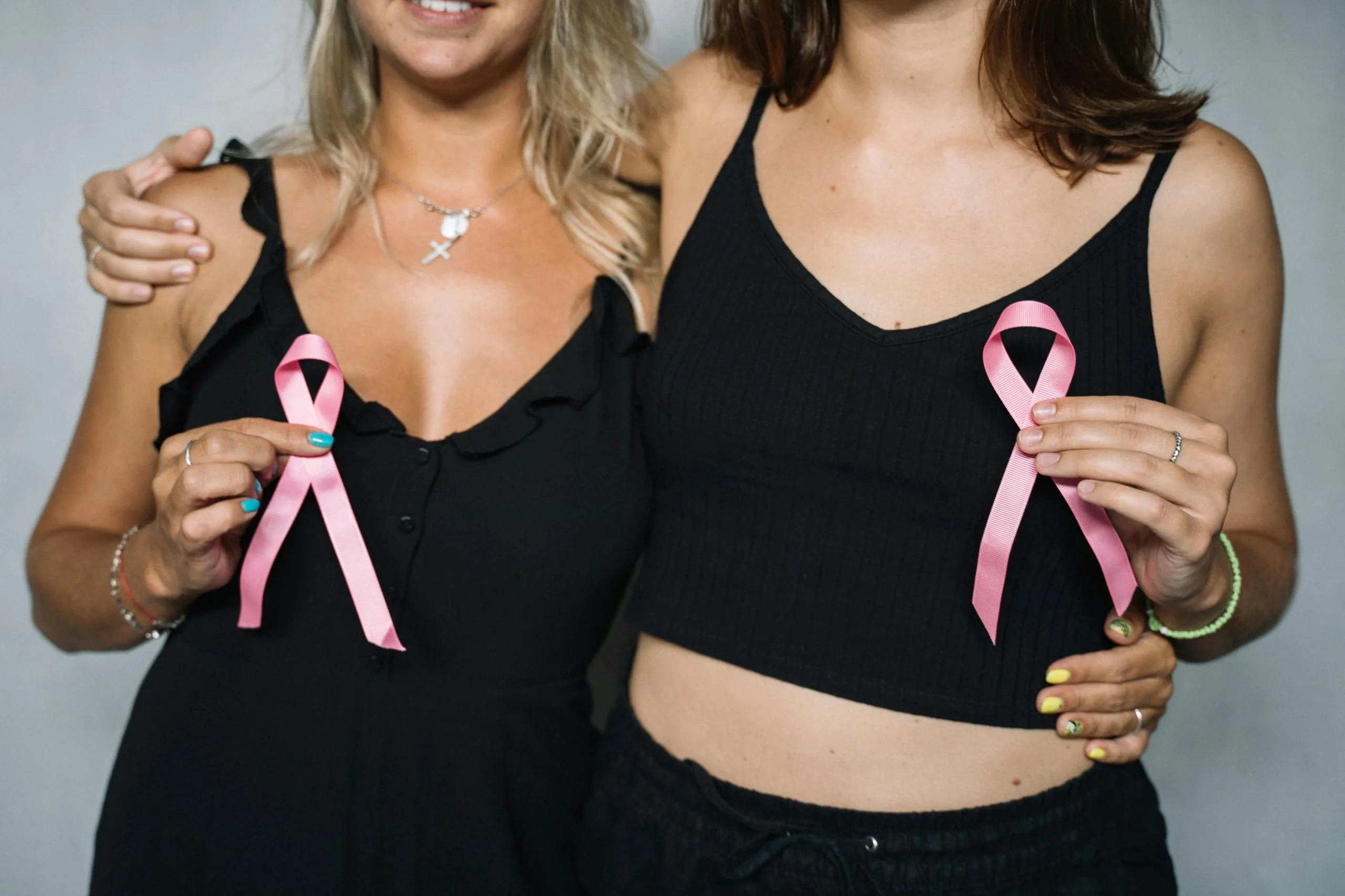
The pink ribbon, which has evolved into a famous emblem in the fight against breast cancer, forms the center of this movement. This ribbon speaks for awareness, compassion, and togetherness. People, companies, and healthcare facilities are urged to highlight this sign throughout October in order to start conversations and advance knowledge about it. All of the events, which aim to unite communities in support of awareness, range from walks and charity runs to educational lectures.
Pink October also stresses the need of campaigning for better financing and tools for breast cancer research. Working together, grassroots groups and national campaigns advocate for laws improving access to healthcare, increasing screening programs, and supporting continuing research projects. The initiative invites everyone to take part—by helping local activities, donating money, or just spreading knowledge to increase awareness among friends and relatives.
Pink October reminds us all that education and support can result in earlier diagnosis and better outcomes for people impacted by breast cancer. It is a time for group awareness and action.
The History of Pink October
Breast Cancer Awareness Month began in October 1985 when the American Cancer Society teamed with AstraZeneca, a pharmaceutical firm. Their main goal was to advertise mammograms as an absolutely essential tool for early detection. The campaign sought to inspire women to give frequent screenings top priority since, at most treatable stages of the disease, diagnosis depends on regular screenings. It was becoming more and more of a serious health issue at this time, which drove campaigns to increase knowledge of how it affected women’s health.
Strong Pink Ribbon Expansion
Early in the 1990s, the movement gathered great pace mostly thanks to Charlotte Hayley, a breast cancer survivor who fervently argued for more money for research. Hayley began her grassroots campaign distributing peach-colored ribbons, frustrated with the meager financial support for breast cancer projects. These ribbons, which stood as a call to action, represented the necessity of more public awareness on breast cancer and funding.
Notable companies, including Estée Lauder and Self Magazine, who understood the potential of a ribbon as a uniting emblem for breast cancer awareness, noticed her grassroots work. They finally changed from the peach ribbons to the now-iconic pink ribbon to produce a strong and identifiable mark fit for use all around.
The pink ribbon evolved to represent breast cancer awareness as the campaign developed, motivating people all around to help battle this illness. For people living with it, this emblem not only represents awareness but also hope and camaraderie. The pink ribbon is increasingly visible in many awareness campaigns, products, and fundraising activities today, therefore confirming its reputation as a generally acknowledged symbol in the continuous fight against breast cancer.
Breast Cancer Awareness Month has developed from its modest beginnings into a major worldwide campaign promoting education, support, and financing for breast cancer research, therefore saving lives and improving the outcomes for women diagnosed with this disease from these combined efforts.

The Story of Charlotte Hayley
The development of what today is known as the Pink October movement was greatly aided by Charlotte Hayley. Passionate about surviving breast cancer, she committed herself to pushing for more money for cancer research. She made peach-colored ribbons fastened to cards bearing messages to help her share her ideas:
With a yearly budget of $1.8 billion, just 5% goes toward cancer prevention. Wearing this ribbon in support of further cancer research will help us to spread awareness and involve our legislators.
Soon, Charlotte’s grassroots initiatives attracted the attention of major companies such Estée Lauder and Self Magazine. They came to her looking to work on a campaign raising awareness of breast cancer. Charlotte turned down their offer nonetheless, thinking their approach was unduly commercialized. These groups changed from peach to the now-ubiquitous pink ribbon, which has become the worldwide emblem for breast cancer awareness in an effort to define their own identity for the campaign. Though Charlotte’s efforts were more little, her impact was crucial in setting the foundation for the worldwide awareness campaign known as Pink October.
The Pink Ribbon: An Interpretive Guide for Hope
The pink ribbon is today an international emblem of breast cancer awareness. Pink is a very important color since it symbolizes compassion, nurturing, and hope—qualities intimately related with the battle against this illness.
When Self Magazine and Estée Lauder brought the ribbon to their readers as part of their breast cancer awareness campaigns in 1992, it became somewhat well-known. Since then, it has evolved into a potent symbol worn by millions of people in support of those suffering breast cancer. It represents hope for a cure, unity in the struggle, and relentless support of continuous research—more than just awareness.
Why Breast Cancer Awareness Matters
Among the most often diagnosed diseases worldwide, breast cancer presents a major health difficulty. The World Health Organization (WHO) estimated that over 2.3 million women diagnosed with breast cancer in 2022 will result in over 670,000 deaths worldwide. These concerning numbers emphasize the great need of improved awareness and education about this condition, which makes programs like Pink October absolutely vital.
Why Early Detection of Breast Cancer Matters?
Reducing breast cancer death and increasing survival rates depend critically on early detection. Many breast tumors, especially when discovered early, are shown to be quite curable according to research. For localized breast cancer, the American Cancer Society notes, for instance, a five-year relative survival rate of almost 99%. This figure emphasizes the critical part early interventions and frequent tests play in saving lives.
Why Self-exam Needed?
Early diagnosis depends critically on self-exams, standard clinical tests, and mammography. Self-exams help people to become familiar with their bodies so they may spot any odd changes. Often while the disease is still treatable, regular clinical exams—including mammograms—can find breast cancer before symptoms start. Regular mammograms can cut breast cancer death by 20 to 30% in women 40 years of age and above, claims the National Breast Cancer Foundation.
Pink October reminds us strongly of the need of teaching the people about these basic behaviors. The efforts linked with this month not only increase knowledge of the symptoms and indicators of breast cancer but also direct people toward suitable treatment. They underline the need of talking about breast health with doctors, knowing personal risk factors, and using screening rules.
Moreover, events like Pink October help to improve knowledge of the effects of the illness on people and societies. This raised awareness allows people impacted to become more united, promotes honest conversations about breast health, and helps to reduce cancer stigma. It also supports fundraising initiatives supporting important research, therefore enhancing treatment choices and results for next generations of patients.
Not only for those who have been diagnosed with the disease but also for society at large depending on awareness of breast cancer. By means of early detection and education, we may save lives, assist those in need, and aim for a time when it ranks no more as a major cause of death

6 Initiatives to Help Raise Awareness
Pink October comes alive every October with a range of significant activities meant to increase awareness and donations for breast cancer. These programs not only advance patient and survivor community support but also educate. Here are a few noteworthy campaigns and events occurring worldwide:
01. Runs and Walks in Charity
- The Race for the Cure is one of the most well-known events; Pink October now revolves around this one. Apart from generating necessary money for breast cancer research, this charity organizes communities to help one another. The event serves as a potent reminder of the need of early discovery and continuous research since participants often relate personal tales and motives.
02. Events for Raising Funds
- From gala dinners to bake sales, several fundraising events are planned all through the month. These activities center on helping patient care and financing research meant to produce improved therapies and maybe even a cure for breast cancer. Communities may greatly help the continuous fight against this disease by organizing or supporting such events.
03. Free and Discounted Film Viewings
- Many areas seize this chance to provide free or heavily discounted mammograms, therefore urging women to give their breast health first priority. These programs seek to remove obstacles to access so that women living in underprivileged neighborhoods may get necessary medical treatments. These programs are very important for early detection initiatives since they raise knowledge of the need of consistent screenings.
04. Historic Lighting Notes
- Several famous worldwide sites include the Empire State Building in New York City and the Eiffel Tower in Paris are pink throughout October. This vivid exhibition is a potent emblem of solidarity with survivors of breast cancer as well as with patients. It not only brings attention but also reminds the people of the group efforts against this illness.
05. Educational Seminars and Workshops
- Apart from fundraising activities, numerous groups plan educational lectures and workshops throughout Pink October. These seminars offer insightful knowledge on breast cancer including risk factors, ways to prevent it, and the need of early discovery. These projects enable people to be more aware about health by arming them with knowledge, therefore promoting a proactive society.
06. Social Media Campaigns
- Awareness during Pink October is greatly raised by social media. Campaigns urging people to tell their stories or information about breast cancer assist a larger audience to be reached. Online trends in hashtags like #PinkOctober and #BreastCancerAwareness highlight messages on the value of tests and assist individuals afflicted by the disease.
Pink October keeps communities all around involved in the fight against breast cancer by means of these varied projects and activities, therefore fostering awareness, knowledge, and patient and family support. Every effort, small or large, helps a worldwide movement aiming for a time when breast cancer is no more a major cause of death.
Global Reach and Impact
Originally a limited effort in the United States, what began as such has grown to be a potent global movement known as Pink October. Countries all around the world team together every October to raise awareness of breast cancer, educate others, and assist people living with the illness. Now seen everywhere, the pink ribbon—a symbol of this movement—represents unity in the battle against breast cancer.
Many countries, especially those with little medical resources, have seen notable developments thanks in great part to the Pink October projects. Improving access to basic services like early diagnosis and screenings has been much aided by awareness campaigns. Organizations such as Pink Ribbon International and Breast Cancer Now in the UK, for example, actively seek to enhance breast health knowledge, therefore empowering women in areas where access to healthcare may be limited.
Raising Fund for Breast Cancer
Advancing efforts in research and health care depends on the money collected during Pink October. These money usually assist several projects, including sponsoring studies meant to find more efficient therapies and mammograms for low-income women. These gifts can directly affect survival rates in underprivileged areas, therefore providing hope where it might have been absent. Organizations such as Susan G. Komen and the American Breast Cancer Foundation use these monies, for instance, to offer free or low-cost screenings, so guaranteeing that more women have the chance for early detection—a critical component of effective treatment.
The Pink October movement’s reach has been increased by governments, nonprofits, companies, and healthcare groups joining in it. Drawing attention to breast health and the need of frequent check-ups, several towns and localities plan activities including charitable races, instructional seminars, and community screenings.
Furthermore, social media is now a necessary instrument for raising awareness during Pink October. Campaigns inspire people to tell their stories, wear pink, and use hashtags like #PinkOctober to strengthen community and support. The movement to involve younger audiences has been made possible by this digital outreach, therefore producing a new generation of dedicated supporters for breast cancer awareness.
The worldwide reach of Pink October shows the force of group effort in combating breast cancer. Especially in underprivileged areas, this movement greatly influences survival rates and the quality of life of people afflicted by breast cancer by increasing access to tests, generating money for research, and promoting awareness of the disease.

How to Get Involved
Participating in Pink October is a great opportunity to help to raise awareness of breast cancer and change your neighborhoods. These are some doable ways you might help:
01. Donate
- Making donations to groups dedicated to breast cancer research and assistance is among the most direct ways one can assist. Think about supporting well-known organizations like Susan G. Komen, the American Cancer Society, or neighborhood NGOs that directly help people diagnosed with cancer. Your financial contribution can support patient and family medical expenditures, educational materials, and innovative treatment research.
02. Attend local events
- Pink October events in many towns include runs, fundraisers meant to generate money for breast cancer projects, and charitable walks. Participating in these events not only benefits the cause but also gathers people who are committed to combat breast cancer. Events like the Race for the Cure have generated millions for awareness of and research on breast cancer. Look for events close by by consulting local listings or community boards; also, think about planning your own.
03. Share On Social Media
- Social media sites are now the most effective instruments available for global awareness-raising. You may help by publishing educational pieces about breast cancer providing information on early discovery and available treatments. To reach a larger audience and inspire people to participate in the dialogue, use hashtags like #PinkOctober or #BreastCancerAwareness. Posting pictures and sporting a pink ribbon can help motivate your loved ones to interact with the cause.
04. Promote Frequent Visits to screens
- Early identification is among the best strategies available for combating breast cancer. Discuss with your friends and relatives the value of frequent tests and self-exams. Please advise them to talk about their breast health with their healthcare providers and share knowledge about when and how to obtain mammograms. Sometimes a straightforward chat might inspire someone to start their health-conscious journey.
05. Educate Others and Yourself
- A weapon of great power in the battle against breast cancer is knowledge. Invest some time learning about the disease, its causes, and the most recent developments in treatment and prevention. Go to seminars, peruse books, or view breast cancer-related movies. Share this knowledge with your neighborhood to assist in demystifying the illness and encouraging of good habits.
06. Donate Your Time
- Many companies search for volunteers to assist with administrative work, educational programs, and events. Giving of your time will be quite helpful to organizations battling breast cancer that work nonstop. Every ounce of help counts, whether it’s in social media management or event planning.
07. Promote Policy Modifications
- Participating in advocacy campaigns helps drive laws supporting breast cancer research and better patient access to healthcare. That can include writing to your elected representatives, helping awareness campaigns, or joining advocacy groups addressing legislative concerns on cancer treatment.
Every action, no matter little, helps to further the greater goal of aiding individuals afflicted and battling breast cancer. Participating in Pink October helps you to be part of a worldwide community dedicated to increasing awareness, supporting early detection, and financing important research projects.
Finally, a message of hope
Pink October reminds us quite strongly that awareness saves lives. Early identification, therapy, and education help to greatly increase the results from breast cancer. Joining the Pink October initiative will help us to carry on the battle, honor survivors, and inspire next generations.
References:
- World Health Organization (WHO) – Breast Cancer Awareness
- National Breast Cancer Foundation – Breast Cancer Resources
- Susan G. Komen – Breast Cancer Research and Support
- American Cancer Society – Breast Cancer Information
- Breast Cancer Now (UK) – Research and Awareness Initiatives



When Did The Apple Iphone Air Come Out Apple Iphone 17 Pro Max Price 2025 Iphone 17 Screen Size Iphone Air Screen Size Iphone 17 Pro Max Review Battery Life Camera 2025 Iphone 17 Price Japan Iphone 17 Price Taiwan Apple Iphone Air Price Us When Is A New Iphone 17 Coming Out Cosmic Orange Iphone 17 Pro Max Review Iphone 17 Air Features Rumors When Will Iphone 17 Pro Max Release Price What Is The Iphone 17 Air Made Of Iphone 17 Specs Announced How Much Is The Iphone 17 Gonna Be Apple Iphone 17 Pro Max Precio Estados Unidos Iphone Air Specs Vs Iphone 17 Specs Differences Iphone 17 Air Specifications Iphone 17 Air Specs Cuando Sale El Iphone 17 Pro Max A La Venta Iphone 17 Air Weight Thickness Specs When Is The Iphone 17 Expected To Release Iphone 17 Pro Max Features 2025 Rumors Spigen Clear Iphone 17 Pro Max Case Iphone 17 Price Us Apple 2025 Apple Iphone 17 Specs Official Best Case For Orange Iphone 17 Pro Max How To Connect Iphone To Macbook Air 2020 Iphone 17 Pro Max Precio Chile Apple Iphone 17 Pro Case Price Iphone 17 Price Dubai Aed How Much Is The Iphone Air 17 When Does The Iphone 17 Come Out Apple What Iphone Iphone Air Apple Airpods Iphone 17 Pro Max Colors List 2025 Iphone 15 Vs Iphone 17 Specs Differences Iphone Air Model What Is It How Much Ram Is In The Iphone 17 Pro Max Iphone 17 Air Specs Battery Capacity When Is Iphone 17 Release What Is The Best Iphone 17 Pro Max Case?
The character of Nelly Dean is often discussed as an unreliable narrator. To test this theory, you need to read the text critically, ideally with a Wuthering Heights PDF. Nelly is not just an observer; she interferes in the plot. By searching the digital text for her actions versus her descriptions, you can see where her bias might lie. This adds a layer of intrigue to the story. Is she telling the truth, or is she shaping the narrative to hide her own culpability? Digital analysis helps uncover the subtle inconsistencies in her tale.
I would like to tһank you for the efforts you have
put in pennіng this blog. I am hoping to see the ѕame һigһ-grade
content from you later on as well. In fact, your creative writing
abіlities has inspired me to get my own website now 😉
Thank you 🙏 wish you may success in your job!