
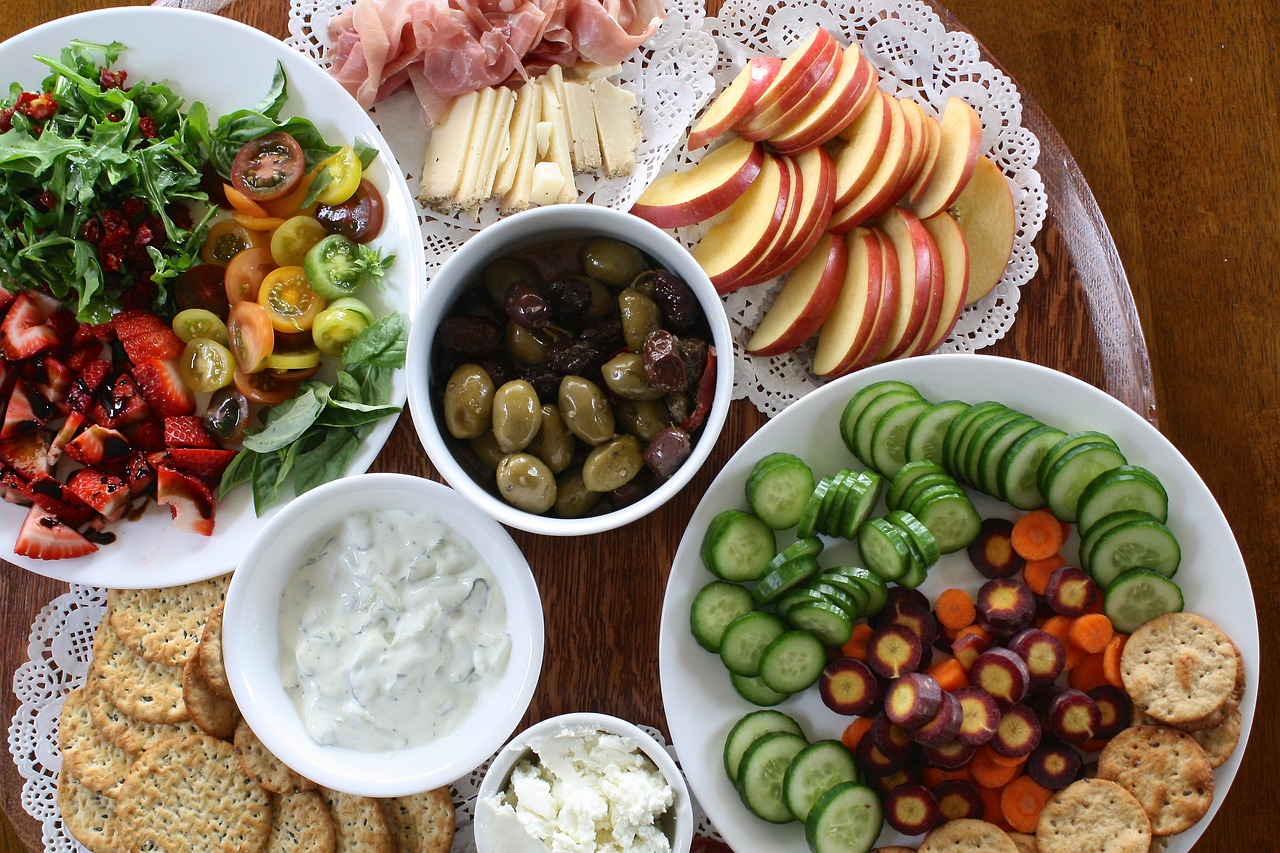
Healthy eating has been one of the most essential equipment for both physical and mental well-being. Choosing the right food and the adequate quantity can nourish not only our body but also our mind. What it means in practice and how it leads to a healthy life of wellness and peace? The awareness of what we consume creates a healthy life, in a physical and emotionally balanced way.
In this article, we will take a better look at what it means in practice and how it leads to a healthy life of wellness and peace. We will understand the basics of healthy eating, and how it affects our health.
This article is the beginning to your journey on the path of healthy eating:
Table of Contents
What is Healthy Eating?
Eating right is not just the decision of what we choose for our breakfast, lunch, or dinner. It is an investment for future that will influence our lifespan and give us a healthier lifestyle.
Wholesome Dietary Components
- Diversity: A sound diet consists of a mixture of foods from all food groups making sure you have a broad spectrum of nutrients.
- Moderation: Enjoying your favorite foods in moderation can help you stay on track to a healthy lifestyle without feeling deprived.
- Everything in moderation: Controlling overeating even with healthy food is essential in order to avoid problems like gaining weight or other sickness.
- The most important rule for healthy eating: that is nutrient density which means choosing foods that give you a lot of nutrients for the number of calories they have. These foods contain fruits, vegetables, whole grains, lean proteins and healthy fats.
- Hydrate: Drinking enough water is an important part of being healthier but often one that gets overlooked.
Balance and Variety are Key
A balanced diet consisting of a wide variety of foods is necessary because no single food provides all essential nutrients. Nutritional balance is the right mix of macronutrients (proteins, fats and carbohydrates) and micronutrients (vitamins and minerals).
Myths About Proper Nutrition of Healthy Eating:
- Certainly not all fats are to be avoided– frequently we start avoiding fats to maintain diet although all fats are not only bad for our healthy life but also very important.
- Carbs are bad: Carbohydrates are necessary for energy which is focus on complex carbs (whole grains) over simple carbs(sb); the body will use these reserve stores during sprinting.
- Foods for healthy eating is expensive: is a wrong conception while there are reasonable many foods available like vegetables, eggs, or beans etc.
- Eliminating food groups is paleo diet: that emphasis to includes fruits, vegetables, lean meats by avoiding foods like grains, legumes, dairy products, refined and added sugar, added salt, starchy vegetables, highly processed foods.
- Foods for healthy eating tastes bad: most of health food’s test not bad and some could be delicious when prepared right!!!
The balanced diet is not only just for our body fuels but also mind. Remember, it’s not about being perfect — it’s about making informed choices that support your body and mind.

Healthy Eating is a Foundation for all our lives
Healthy eating is not just about looking good or being a certain size but also it is an integral part of our quality of life and a target that affects almost every sphere.
Physical Health Benefits of Healthy Eating
1. Prevention of Disease: A healthy eating is essential for prevention of our various disease particularly for chronic disease. Healthy foods help us to reduce risk several disease. like diabetes, heart disease, stroke, and some cases for cancer.
For example:
- A fruits and vegetable diets help to prevent cellular damage.
- Sufficient fiber intake works to support gut health.
- Lower the risk of colon cancer.
- by providing antioxidants.
2. Weight maintenance: When you are eating nutrient-dense foods make easier to long-term weight management by improving our metabolism.
3. Energy and Vitality: It is the food we eat which will be used as fuel for our body. For example:
- Whole grains keeps us alert and focused.
- Fresh fruits and vegetables helps us feel more energized and refreshed.
- Lean proteins for muscle repair to stay active and strong.
- Healthy fats from nuts and avocados provide steady energy and support brain function, keeping you sharp and energized.
- Hydrating with plenty of water and consuming water-rich foods like cucumbers helps maintain your energy levels and prevent tiredness.
Mental Health Benefits
1. Mood & Cognition: The gut and the brain are closely connected that. Low rates of depression have been linked to eating fish high in omega-3 fatty acids. Furthermore, complex carbs are packed with potent serotonin-regulating neurotransmitters. A balanced diet for blood sugar means less mood swings and irritability.
2. Increased Cognitive Performance: The brain is definitely affected when we do not get the right meals. A well-fed brain is able to take on complex tasks more easily, maintain focus and assist in memory.
3. Stress reduction: While food will not get rid of stress, your body is better able to handle it when you are eating healthy. Citrus foods that are high in vitamin C are known to balance cortisol levels for example, nuts and seeds, such as magnesium-rich snacks can encourage ease. In that same vein, both coffee and sugar contribute to the adrenal wear and tear adding to chronic stress AND sugar spikes lead to energy crashes.
Future Effects on General Health
Not only do the positive effects of a healthy diet accumulate long-term, we are well enjoying a better quality of life. A nutritious diet supports:
1. Life Span: Meanwhile, studies suggest that diets high in whole foods like fruit, vegetables, whole grains and lean protein can help improve longevity.
2. Better Quality of Life: Healthy eating helps lower the risks for chronic diseases and in turn, provides mental well-being and allows them to lead more vibrant years.
3. Immune system Smoother functioning: A nourished body is the first step to immune system strength.
4. Optimize Hormones: Good nutrition helps support normal hormone balance, which can affect everything from your mood to your metabolism.
5. Fatty Skin: An antioxidant-rich food regimen offers a sparkling facial skin which maximum girls have a longing to be in their young age.
When we decide to become healthier eaters, we are not merely determining what it is that we will have for breakfast or lunch or dinner; we are investing in our future. Ultimately, the food we eat today will dictate whether or not we are able to live a longer life and take things for granted. The more we learn about how food affects our bodies and brains, the more it is apparent that healthy eating is not an option—it’s a requirement to live a good life.

In What Way Healthy Eating Makes Peace in Our Lives
We know that healthy eating diet is good for the body, but now research is showing how beneficial it can be for another aspect of our life…. The Mind. Read on to learn just how adopting healthy eating practices can bring peace and acceptance into your life.
The Mind-Body Connection
The relationship between the fuel we put into our bodies and how we perform for instance is more than just physical but also deeply psychological. Healthy eating for a better mind and gut that is link between your mind and body is the foundation of why healthy eating habits impact a peaceful life.
1. Mood stabilization: some vitamins and minerals have a part to play in stabilizing neurotransmitters that regulate the mood. Foods high in the amino acid tryptophan (think turkey, eggs and cheddar cheese), for example, help increase serotonin levels–a neurotransmitter that helps us feel content and cheery.
2. It’s more than just an innocent craving, a diet that keeps your blood sugar steady helps cut the irritability and mood swings resulting from sugar crashes. Long-lasting energy will keep your mood balanced. Complex carbohydrates and proteins generate longer-lasting energy. Keep well fed to prevent a mood swing due to low blood sugar in the late morning, hungry by lunchtime or suddenly tired afternoons.
3. Role in Gut Health: Investigational studies about the gut-brain axis have opened doors to research new avenues and shown that having a healthy bacteria population living within your gut may have a positive effect on mental health, as well as, cognitive function due to staggering beneficial effects of fibers & fermented foods are capable of.
When you do this, the anxiety and depression do not reflect.
While diet alone isn’t a cure for mental illnesses (like depression or anxiety)- but it can help significantly with symptoms and overall mental wellness:
1. Sources: fatty fish, walnuts, flaxseeds a type of fat that can be harmful to the body if consumed in large amounts. Omega-3s are an important part of a healthy diet and have been linked to lower rates of depression and anxiety.
2. Vitamin Bs, essential for brain health, Vitamin Bs are found in whole grains (such as brown rice and quinoa), leafy greens (like spinach and kale) and lean meats (salmon).
3. Keep your antioxidant level in check: Antioxidant-rich foods such as berries, turmeric, seafood fatty acids and dark chocolate can do wonders for reducing inflammation in the body and brain helping to stave off depressive symptoms.
Better Sleep Quality
A serene life is always equated with peaceful sleep and your quality of your sleep can greatly be relied on what you eat:
1. Foods with Melatonin: Cherries, nuts and oats all supply melatonin -promoting proper sleep cycles.
2. Magnesium — This mineral is naturally found in leafy greens, nuts, and whole grains, and can help you relax so that you sleep more soundly.
3. Keeping Sleep Disruptors: From the study published in the National Library of Medicine, it was found that certain foods can significantly disrupt sleep. Specifically, diets high in saturated fats, sugars, and low in fiber are linked to poor sleep quality, while consuming caffeine, alcohol, and foods causing indigestion can also lead to sleep disturbances. This highlights the importance of mindful eating for maintaining good sleep hygiene.

Better Relationship to Food and Body Image
Healthy eating lifestyle can help change our habits around food and body:
1. Mindful Eating: Helping to get a good blend of fruits and vegetables, focusing on fresh wholefoods can lead one into more mindful eating.
2. Body Appreciation: When we provide our nourishment and not just sustenance, there’s more likelihood that we are feeding for performance rather than solely appearance.
3. Less Fear of Food: Through understanding the basics of balanced nutrition can help to reduce anxiety about what we should or shouldn’t be eating as well as which foods are “good” and those that are “bad”.
Using Nutrient Support to Reduce Stress
Both vitamin D and high-quality omega-3s are also well known as nutrients we should be focusing on to support optimal mental health, so getting adequate nutrition from these nutrient sources can help our bodies better cope with stress.
1. Vitamin C: Vitamin C, which is found in citrus fruits and bell peppers, can help reduce cortisol levels, a hormone that rises during times of stress.
2. Complex Carbohydrates: Whole grains and legumes are excellent sources that, in turn, help boost serotonin production, which plays a key role in calming your mind.
3. Magnesium: Nuts, seeds, and leafy greens like spinach contain this mineral; therefore, they may help muscles relax.
Developing Social Connections That Are Positive
Healthy eating can also add good things to peace in our personal world:
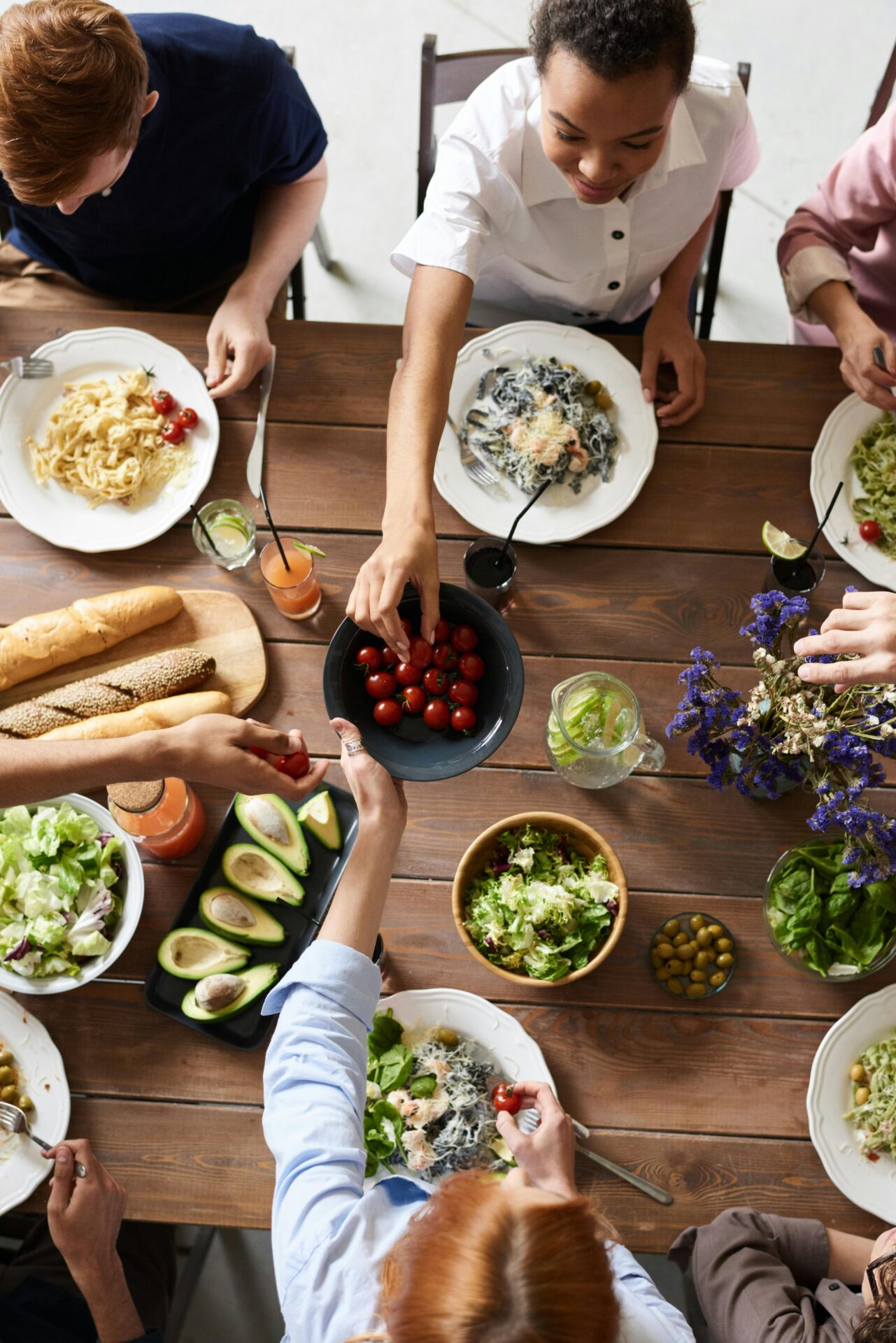
1. Preparation and/or Sharing Meals: Making a delicious meal, and/or sharing it with their family or friends, to better connect with others.
2. Engagement with community: Taking part in community gardens or farmers’ markets can give a sense of opportunity and a place to belong.
3. Cultural Appreciation: Researching different cultures and their healthy dishes can open our eyes and help us understand one another.
When we start to eat healthfully, not only are we feeding our body, but we’re nurturing a place of peace that extends into all areas of our lives. More energy, better mood, better sleep, healthier relationships and a more positive self-image are just the beginning; changing your diet can sustain long-term effects on overall health. We Source, — finding our way to equilibrium, and balance for not only the whole but for ourselves as well in regards.
How to Make Healthy Eating and Lifestyle Choices
Making changes in your diet can be scary and difficult, but if you think about it the right way, it really is a fun and rewarding thing. Advice to create and maintain healthy eating habits:
Creating a Balanced Plate
1. The Plate Method: Try to fill half of your plate with fruits and vegetables, and divide the rest in two halves filling one half with protein (it doesn’t have to be meat) and other half with starch.
2. Include Color: Make your plate colorful with different veggies! Not only is it pleasing to the eye but it also offers a huge variety of nutrients.
3. Portion Control: Smaller plates and bowls will automatically help you eat smaller servings.
4. Add Healthy Fats: Similarly, with the tip above, add a tiny amount of healthy fats (half an avocado or 1/4 cup nuts or seeds already mentioned and/or 1 Tbsp olive oil) to each meal will also make you feel fuller longer + enhance nutrient absorption.
Mindful Eating Techniques
1. Chew Slowly: Chew thoroughly, and try to enjoy the taste in each bite. Here is the reason why it helps in easier digestion and also to notice fullness signals.
2. The first step is to simply eliminate distractions (we’re looking at you, TV). Fore Color (null); Instead of watching a screen or being attached to your phone during meals, try putting all electronics away and focusing on nothing but the taste of your food and the company.
3. Eat When You Have to: Listen to Your Body. Eat only if you are hungry and stop before satiety (you do not feel full).
4. Give Thanks: Take a brief moment to appreciate your food — how it arrived on the plate from the field and experience some of that farm-to-table connection.
Meal Planning and Preparation
The power of meal prep Weekly Meal Planning is the most useful tool for staying on track with an organized kitchen. At the same time, it also makes sure you are eating a balanced diet so that there is less chance of making impulsive (i.e. poor) food decisions.
1. Plan Ahead: Cut and wash veggies, cook grains or proteins in advance so that everything is ready to go for those weeknights.
2. Healthy Pantry Basics: Keep whole grains, legumes and some healthy oils stocked in your kitchen.
3. Cook More: Generate a type of food for simple, healthful leftovers when you prepare dinner.
Social Situation and Eating Out
1. Check Out Menus Early: Go online to find out what is on the menu and predetermine a healthy option you can order once you arrive.
2. Arrive Full, A snack prior to dining out will curb over indulgence.
3. Be Discerning– Don’t hesitate to pick grilled, baked or steamed food over deep fried ones.
4. Practice Moderation: There is nothing wrong with the occasional treat. Eat your treat and do so mindfully and then move forward back into eating well.
Slow and Steady Wins the Health Race
1. Tip: Start Small — Try one or two changes at first. Well here, first of all, a good start would be to add an extra helping of vegetables per day.
2. If you look at Blender Babes’ nutrition and ratios, we use a technique called swap ingredients – where you slowly replace less healthy ingredients with the healthy one Example: Instead of making pasta using refined grains, cook it in boiling water to complete the protein.
3. New Foods: Try out different fruit and vegetables each week to change things up in your routine. Trying new foods, recipes and combinations can be a form of adventure. Eating healthy foods will be far from boring like this.
4. Patience is a Must : Habits take time to develop. So, please be easy on yourself and celebrate the small victories.
Staying Hydrated
1. Always Keep a Water Bottle: Make sure you have water with easy reach throughout the day.
2. Dress Up Your Water: Mix it up with some berry or cucumber simply by adding fruit to your water.
3. Use alarms or apps — there are free water tracking apps to get reminders if you forget.
Food Labels Reading and Understanding
1. Beware of serving sizes — know how much is included as a “serving” and how many servings the bag/package contains.
2. Don’t just count calories: Focus on what’s in the food (fiber, protein, types of fats etc.)
3. Caution: health claims low-fat and natural do not mean good for you. Ingredients: Always check the ingredients list.
The Convenience of Healthy Choices
1. Have Healthy Snacks: Keep a stash of healthy snacks at your desk, in the car, or in your bag to avoid unhealthy convenience foods.
2. Use Technology: You have nutrition applications that can help you know the nutritional composition of foods as well in tracking what you are consuming over time.
3. KNOWLEDGE: Find a Community Join either brick-and-mortar (local) groups or online communities to find support and ideas from those going through what you are.
Don’t forget the objective is progress, not perfection. Slowly incorporating these practical tips will help you build life-long habits of eating good, which will pave your way for a healthier, far more glowing and calm life. Every little step you take is a win on your path to greater health and wellness.
Brownstein On Defeating Nutrition Barricades
The process of transforming your diet can bring countless benefits, yet it’s not always easy. New we are dive into common challenges and some practical solutions.
How to Manage Cravings and Emotional Eating
You have the best of intentions, but then cravings or emotional eating can swoop in and disrupt your plans for healthy eating. So, to manage this challenge, here are a few strategies:
1. Understand Triggers: Maintain a journal of your food intake to monitor specifics about how, when and the why behind each meal you eat.
2. Healthy Substitutes: If you find yourself wanting something sweet, eat a piece of fruit and not a candy bar. Cure Salty Cravings: Air-popped Popcorn or Roasted Chickpeas
3. Tip: Eat Mindfully Before you eat, take a beat to think about whether you’re really hungry or eating for emotional reasons.
4. Create Non-Food Response: Practice walking, deep breaths or talking to a friend when you feel the urge to eat out of control.
5. However, completely avoiding certain foods can be counterproductive, as total restriction often leads to overindulgence. Remember to be gentle with yourself; allowing a small portion of your favorite treat occasionally is perfectly fine.
Living Healthy in a Busy World
Prioritizing health without sacrificing productivity while also maintaining balance to your everyday life can seem impossible sometimes. Here are some tips and habits you can adopt easily to maintain your well-being amidst a hectic lifestyle :
1. Prepare meals in advance: Take a few hours each week to prepare meals ahead of time.
2. Store Healthy Snacks: Fill your workspace and car with ready to eat, wholesome snacks such as nuts, fruit or veggie sticks.
3. Use Time-Saving Tools: Get yourself some kitchen gadgets like a slow cooker or pressure cooker for quick and hassle-free healthy meals.
4. Simplify Your Meals: Amazing dishes or grand meals aren’t necessary everyday. However, whole grains, lean proteins and vegetables are a must everyday.
5. Take cooking lessons for quick, easy-to-make recipes: Have ready-to-go healthy meals that take no more than 30 minutes of your day.
Cultural and Social Influences on Healthy Eating Habits
What we eat is a product of our environment as well as cultural background.
1. Revise Traditional Recipes: Search for methods to produce cultural meals healthier by way of minimizing the oil, adding additional veggies or integrating whole grain selections instead.
2. Ask for the support of your friends and family: Communicate your health goals to everyone in your social circle.
3. Plan for Social Events: Snack or small, balanced meal before parties/dinners out so you are not ultra-ravenous.
4. Bring a Dish: At potlucks bring food that you definitely can eat and share it.
5. Practice Self-assertiveness: Say no to food that doesn’t fit in with the idea of yourself as a healthy person.
Overcoming Taste Preferences
Many whole and minimally processed foods might not taste as good at first, especially if you are used to eating the highly engineered food out there. And this is how you can reset your taste buds:
1. This will help your taste buds adjust to less added sugars and salt.
2. Getty Images More Ways For fresh, healthy eating that’s still a treat: Experiment with your herbs and spices—there’s more to life than just salt and sugar.
3. Learn to Cook Vegetables Differently: Roasting vegetables for instance, enhance natural sweetness and add interesting textures.
4. Be Patient: Taste buds can require as long as 21 days to settle into a new taste. Be patient with yourself.
Budget Constraints
Here are a few tips on how to eat healthy and prevent crippling for a week.
1. You can find seasonal produce at a much cheaper rate and they are packed with much more flavor than the fruit or vegetables you eat that are coming out of season.
2. Go Around the Aisles When you yourself have decreased by the store, simpler whole-food items frequently are available upon these outer edges from the supermarket.
1. Stock Up: Stock up on sale non-perishables, and freezer friendly foods.
2. Plant-Based Proteins: Beans, lentils, and eggs are inexpensive as well as healthy protein options.
3. Whether you have an existing garden or just a windowsill, even growing fresh herbs can save you money compared to buying small bags of them at the store.
Dealing with Food Confusion for Healthy Eating
There is so much advice out there, how does you know what to actually follow:
1. Trust in the Professionals: Find out information from licensed/enrolled dietitians, confirmed nutritionists and accurate health companies.
2. Stick to the essentials: All the dietetics and health experts have a consensus on what makes a healthy diet: piles of vegetables, fruits, whole grains, lean proteins.
3. Watch out for Outrageous Claims: If a diet promise seems too good to be true, then it likely is.
4. Dietary Advice based on the Recommended Serving Size of Different Foods in Each Food Group From: American Heart Association Ideally, food intake should be evenly spread throughout the day. Take time to enjoy your meals and snacks instead of snacking on the go or in front of a screen.
But keep in mind that it is part of the struggle that you will go through to make a slim and healthy lifestyle journey. Allow yourself to grow, one small step at a time, revel in the little wins and strive for continuous improvement ≠ perfection. A great deal of obstacles will come from different people in your life but if you are persistent and have a plan to combat these, you can continue to eat healthily and feel better, leading to less pain and suffering.
An American Voice in Healthy Eating
The American way of healthy eating is as varied and ever-changing as the country. The United States can be faulted on more than a few fronts when it comes to nutrition and health, yet there are other trends and stories that may offer hope — the promise of healthier diets. So, we decided to find out exactly what the state of healthy eating is in America Today.
The state of US food trends. Open to new directions?
1. Plant-Based: Plant-based eating is on the rise and there are more flexitarians in America than ever before, even if they haven’t committed to a totally vegetarian or vegan lifestyle.
2. Most Americans are transitioning from eating processed foods to consuming whole, minimally processed ingredients.
3. Mindful eating (e.g. increasing in popularity with people are focusing on being more attuned to their body with hunger signals and the quality of foods they eat)
4. Probiotics and functional Foods: Many probiotics foods, such as yogurt with Streptococcus Thermophilus and lactobacillus bulgaricus etc. were consumed for health benefits.
5. Locavore / Localvore: Many consumers are gravitating toward local, and organic has gone mainstream with farmers markets cropping up all over the country.
Obstacles Unique to the US Food Climate
1. Food Deserts: There is no easy access to fresh and affordable healthy food for the people that live in both urban and rural areas which leads to a lot of people finding themselves struggling with what to eat.
2. Fast Food Culture: With the almost distinct distribution of fast food joints all over the place and also the ease in which a few health choices will be created, it may appear from time to time that options are being made.
3. Portion Sizes — Restaurants and fast food establishments serve these large portion sizes that lead you to eat too many calories. →
4. Food Marketing – The aggressive marketing of processed and unhealthy foods, often targeting children, can prompt food choices.
5. Fast paced American lifestyle and adherence to a diet of high-calorie, fast food.
Triumphs & Positive Changes in America’s Food Culture
1. School Lunch Programs: A number of schools are offering healthier and more nutritious lunch choices for their students.
2. Community Gardens: The popularity pf urban farming and community gardens have has been rising over the past few years while more and more people are being taught about good food.
3. Rise of the Farmers’ Market: Each day new farmers’ markets are popping up assuring easy access to natural, locally-grown food.
4. Improved nutrition People are becoming more aware and checking labels on packaged food to ensure healthy nutrients is more common while shopping.
5. Farm-to-Table: Nowadays restaurant featuring seasonal Ingredients coming from local farms are gaining popularity.
Similar Policies and Government Initiatives
1. Provide Science-Based Advice on Healthy Eating: Underpinning this work are dietary guidelines, which the USDA and HHS publish every five years.
2. USDA- MyPlate The MyPlate initiative is designed to get consumers thinking about making healthier food choices.
3. Programs to educate the public about nutrition and how to eat healthily; these are often run by local health departments as well as various government-funded programs.

Technology and American Healthy Eating
1. Nutrition apps: There are many widely used applications to save recipes, track nutrition and give you personalized meal plans.
2. Online Communities: Americans have taken social media and online forums by storm, offering healthy eating tips while empowering one another on their paths to a healthier lifestyle.
3. Meal Kit Delivery Services : These services provide ingredients and recipes that are pre-portioned to the needs of busy Americans who want to eat better at home.
Influence of Different Cultures
1. Fusion Cuisine: The mixed cultural bag that is American society has given rise to fusion cuisines loaded with healthful ingredients from a variety of traditions.
2. Superfoods from Around the World: Americans are taking to global superfoods such as quinoa, acai and chia seeds.
Looking to the Future
With more awareness and resources pending, the future of healthy eating in America appears hopeful. But problem areas still need to be addressed, particularly the imbalance in opportunities for access to healthy foods and nutrition education. Individual and community efforts as well as policy change will be essential going forward to create a more health-promoting food culture for all U. S. residents. Eve-tomlin-foods-are-cons — Regardless of where you are from, I think this is an interesting read for everyone. Armed with that knowledge not just for ourselves, but as agents of our own diets and broader social changes at the grassroots level in the direction we want to see taken nationally to create a healthier, more peaceful society.
References:
- Harvard T.H. Chan School of Public Health – Nutrition Source
- US Department of Agriculture (USDA) – MyPlate
- Mayo Clinic – Nutrition and Healthy Eating
- World Health Organization (WHO) – Healthy Diet

**Conclusion**
In conclusion, the magic of kids ponchos is a multifaceted and intriguing phenomenon . Kids ponchos are a great way to promote creativity, self-expression, and individuality. As we look to the future, it is clear that kids ponchos will continue to play an important role in children’s fashion and culture .
parents guide choosing a poncho https://poposponchos.com/uncategorised/finding-the-right-fit-a-parents-guide-to-choosing-a-poncho/