
Introduction to Strength Training
Benefits of Building Muscle
Strength training for building muscles is about more than just looking good. I still remember how, after only a few weeks of weight-lifting, my body felt so much stronger. It took me only a little while to realize that the benefits of building muscle go way beyond aesthetics. Following are a few key benefits that I have come across and experienced myself:
Table of Contents
- Better Metabolism: The more muscle one has, the higher the resting metabolic rate; hence, one can burn more calories throughout the day. It also makes weight management quite easy.
- More Strength and Endurance: Once additional strength has been developed, daily activities such as carrying groceries and climbing upstairs become much easier.
- Better Mental Health: Weight training may result in confident feelings and fewer signs and symptoms of anxiety and depression.
- Better Bone Health: Resistance training supports the increase in bone density, a crucial factor in maintaining mobility and independence as we age. This long-term benefit of strength training can provide a sense of security about your future health.
The Connection Between Muscle and Health
Resistance training is an essential element in our overall health. Secondly, greater muscle mass is associated with better metabolic health. It also decreases chronic diseases, such as diabetes, heart conditions, and obesity. Lastly, I have found that regular strength training:
- Supports Joint Health: Stronger muscles around joints make injury less likely.
- Enhances Balance and Stability: This is very useful as one age since falls will be avoided.
- Promotes Better Posture: The muscles on the back, core, and shoulders will help with posture, minimizing discomfort and pain.
In short, strength training empowers me not just physically but mentally and emotionally, too. So, now that we know more about muscle growth let us learn to appreciate these basic benefits.

Factors Affecting Muscle Growth
growth of our muscles. Several elements dictate how much and how well our muscles will grow, and knowing these elements will help us maximize our gains. These determining factors include the following:
- Volume of Training: More sets and reps translate to more hypertrophy.
- Frequency: Training each muscle group more frequently, say two to three times a week, can promote better growth.
- Nutrition: This must be a diet high in protein; after all, this is the feed for the machinery repairing the muscles.
- Sleep: Quality sleep is equally important; it allows the muscles to repair and grow.
- Genetics: We all have different body genetic capacities when it comes to muscle building; these capacities may set a starting point for what we are capable of achieving.
By considering these elements, I have been able to improve my work regarding my workout plan. Knowledge will go a long way in helping us achieve our goals regarding working out.
Principles of Strength Training
Progressive Overload
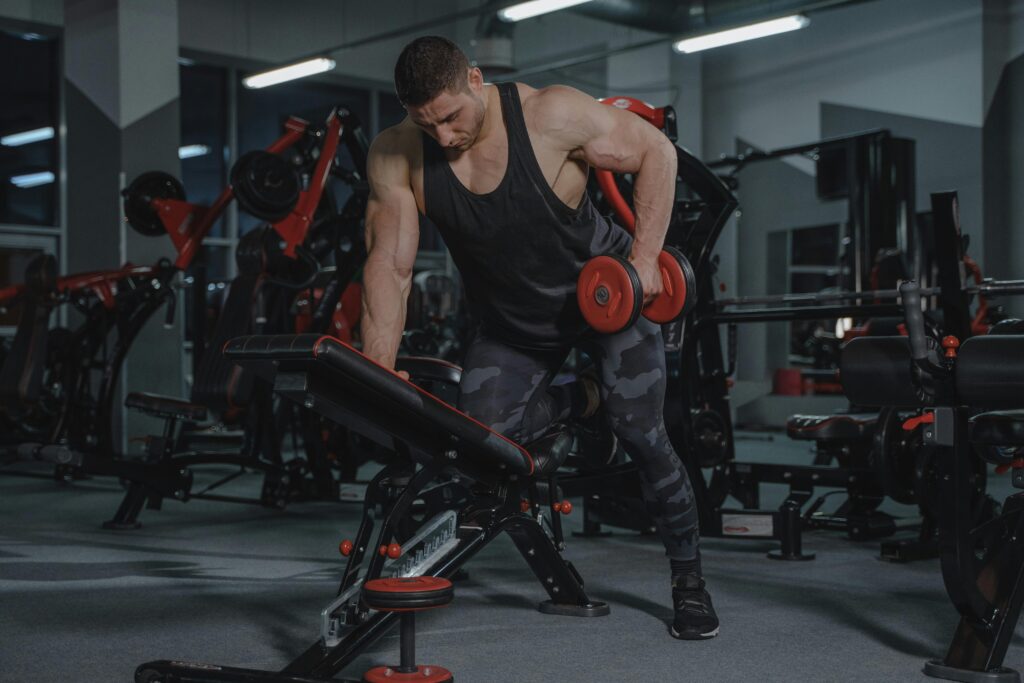
Now that the science behind muscle growth has been covered let’s look at some basic concepts pertaining to strength training that can make all the difference in your results. Principal among these is the concept of progressive overload. The principle refers to the gradual incrementing of demands placed during training on the musculature. I still recall early workouts when the same old weights were used time and time again in my workout from week to week. I was strong but needed to get the results I wanted. That all changed when I started focusing on progressive overload. Here’s how you can get started with the principle in action:
- Increase Weight: Progressively lift heavier weights each week or change the resistance level.
- Increase Reps or Sets: You also change the routine by adding more repetitions or more sets to the workout.
- Change Exercises: You can include other forms of exercises so that muscles are continually guessing.
Proper Form and Technique
As we continue to impress, progressive overload is going to be paramount, but one can only achieve greatness with proper form and technique. Lifting safely is just as important as lifting effectively. I could go on and on about how important keeping adequate form is to prevent injuries and to ensure you’re targeting the proper muscles. Following are some tips you can consider to help refine your technique:
- Keep Your Core Engaged: This will stabilize your body and, therefore, give you better control.
- All Attention to Breathing: Inhale during the negative and exhale while lifting.
- Mirror or Camera Workout: Tape yourself during a workout to easily spot form breaks.
Prioritizing these principles has not only made my training safer but also far more efficient. When you do things right, you put your foundation in place, which we are going to build on top of with nutrition coming up!

Nutrition for Muscle Building
Importance of Protein Intake
As we get into nutrition for muscle building, let me emphasize the importance of protein intake. Think of protein as the building blocks that go into your muscles. My muscles, right after those rigorous lifting sessions, scream for protein to repair and grow. I vividly remember my early days when I solely focused on working out and how underestimating proper nutrition was. For the optimal recovery and growth of your muscles, go for:
- 1.6 to 2.2 grams per kilogram of body weight: This is usually recommended for those who are into strength training.
- Quality Sources: This will include lean meats, fish, eggs, dairy products, legumes, and plant-based proteins.
- Timing: If taken within 30-60 minutes after working out, this can enhance recovery.
Role of Carbohydrates and Fats
Carbohydrates and fats play an important role, but carbohydrates and fats are not the only ones that play key roles in the process. Long after I tracked my macros, I didn’t realize how much both these kinds of macronutrients had a vital role in helping me through my workouts to overall health.
- Carbohydrates: These are the energy sources your muscles need for most high-intensity exercises. Opt for complex carbohydrates, such as quinoa, sweet potatoes, and whole grains, which sustain both performance and recovery.
- Fats: Healthy fats are the foundational elements of avocado, nuts, and olive oil, among others, which are important for the production of hormones and health at the cellular level.
Here’s a quick review of how to balance these three macronutrients in your diet:
| Macronutrient | Percentage of Daily Intake |
| Protein | 25-30% |
| Carbohydrates | 45-60% |
| Fats | 20-30% |
It helps me stabilize my energy levels and thus enables me to have a good, efficient workout. Now that the nutrition strategies are all covered let’s create an effective workout program!

Creating an Effective Workout Program
Resistance Training Techniques
Now that we’ve talked about nutrition, it’s time to go into how to design an effective workout program. And here’s where all the fun starts! One of the important modalities in my training regimen has been the various kinds of resistance training. I have found variety not only keeps your workouts interesting but also targets different muscle groups, making sure plateaus are avoided. The following are some resistance training techniques that really work for me:
- Compound Exercises: These exercises include squats, deadlifts, and bench presses, all of which work for multiple major muscle groups at once and maximize efficiency.
- Isolation Exercises: Throwing in curls or triceps extensions will allow focused development of the muscles, reinforcing strength in particular areas of interest.
- Supersets: Performing two exercises back-to-back with a minimal amount of rest between them can be great for boosting intensity and saving time in the workout.
I always balance these techniques to create a comprehensive program for my goals.
Rest and Recovery Strategies
While important, rest and recovery strategies are just as critical as the workout itself when it comes to any form of strength training. I learned through trial and error my own mistake in assuming that all that was required for better results was more training. Over time, I taught myself that one of the things of paramount importance is recovery. Among many others, some of the strategies listed below, which I swear really do work, are:
- Sleeping: I sleep 7-9 hours every night because this helps my body recover.
- Active Recovery: These include light walks or yoga on rest days to keep the blood circulating without putting undue stress on my body.
- Hydrate and Nutrition: Drinking plenty of water and consuming nutritionally dense foods supports muscle building and repair.
These few recovery methods have greatly improved my performance and muscle development. Now that a good workout structure is in place, we are ready to track our progress and make adjustments to improve our routines constantly!

Monitoring Progress and Adjusting Your Routine
Tracking Strength Gains
Now that we have a well-rounded workout program, the next issue at hand is how you will effectively monitor your progress and adjust your routine. It is one of the most motivating and enlightening aspects of the process of tracking my strength gains. First of all, keep a workout log. The things I track include:
- Weight Lifted: Note the weights for each exercise. It helps identify which exercises need more attention.
- Repetitions and Sets: Writing down sets and repetitions ensures I can duplicate or increase the number of them over time.
- Measurements and Photos: Taking photos and tracking body measurements periodically may provide visual proof of progress that is not reflected on the scale.
By doing this, I often get pleasantly surprised by how far I’ve come!
Manipulation of Training Variables
In the process of tracking our progress, we must be willing to alter some of the training variables in order to continue progressing beyond what we perceive to be our limits. Now, this is where things start to get really exciting and can have magnificent effects! Some of the most important variables to pay close attention to include the following:
- Progressive Weight: When I am able to complete a certain number of reps with ease, I increase the weight.
- Modification of Repetitions and Sets: I can increase the number of repetitions to work on muscle endurance or keep them less with heavier weights to focus on strength.
- Rest Intervals: I can reduce the time I rest between sets, which increases the overall intensity and keeps my heart rate up.
Changing these variables not only keeps my workouts exciting but has catapulted my strength gains to a whole new level. Observing and adapting remains the key to continued success! In light of that, the next step is addressing common misconceptions that normally arise in strength training.
Common Misconceptions About Strength Training
Spot Reduction Myth
First, a few common misconceptions that can hold one back from making progress in strength training: the biggest myth I ran into early on was this thing called spot reduction idea that you’re going to take the fat off of your body in certain areas by doing exercises that target those parts. I remember thinking if I did enough crunches, I would burn off my belly fat. That’s just different from how it works. As a fact, research has shown that:
- Systemic nature of fat loss: What is being meant by this is that excess fat has been burnt not in the specific area one targets but throughout the whole body.
- Full body exercise and nutrition: Body fat reduction is best achieved by a mixture of exercise and nutrition. Rather than concentrating on just a single area, it is always better to be able to take part in full-body workouts and have good food.
Women and Resistance Training
Another lie I had to deal with from women involved weight-lifting repeatedly. Many of them refuse to do any form of weight-lifting due to the fear of turning “bulky.” Let me tell you from experience this is different! Here’s why strength training has enormous benefits for a female:
- Increased Strength: Weight-lifting improves general strength, thus making daily tasks easier.
- Higher Metabolism: Muscles burn more calories at rest, aiding in weight management.
- Better Aesthetics: Weight training promotes leanness and a toned look rather than bulk.
Overcoming these myths has considerably helped not just my journey but also many others who were skeptical about lifting weights. Strength training is for all people, and understanding these myths can help further create an inclusive culture of fitness! Next, we will explore injury prevention to keep us safe while we work out.
Injury Prevention in Strength Training
Importance of Warm-Up and Cool Down
As we continue going deeper into our journey of fitness, the principles of safety concerning strength training must be remembered. One of the most rudimentary ways to apply injury prevention would be proper warm-ups and cooldowns to take care of our bodies. Through a lot of experience, I learned that just jumping right into heavy lifts without warm-ups put me in a tight and vulnerable position for injury! A good warm-up should include the following:
- Dynamic Stretches: Leg swings or arm circles increase the blood flow to muscles, gearing them up for activity.
- Light Cardio: Jumping jacks and brisk walking for a few minutes raise the heart rate, therefore warming up the whole body.
On the contrary, remember to cool down! This phase helps in:
- Gradual Lowering of Heart Rate: Prevents blood from pooling and helps recover.
- Static Stretching: Adding in stretches after exercise will also help increase flexibility and decrease soreness.
Recognizing Overtraining Symptoms
The second important element in injury prevention is recognizing overtraining symptoms. Many times, I felt that being tired did not matter and the more intense the workout, the better the results. I soon learned this only led to burnout and injuries. Watch for these warning signs:
- Fatigue: The overall feeling of tiredness does not go away with rest.
- Decreased Performance: If you have problems with weight lifts or exercises that were previously easy.
- Mood change: Increased irritability or anxiety is another good sign that your body is in urgent need of rest.
I can attest that when these signs are noticed, I have a better understanding of workouts and personal decisions. Understanding overtraining and including proper warm-ups and cooldowns has greatly improved my approach to strength training. With that said, let’s discuss some supplemental support for muscle building!

Supplemental Support to Muscle Building
Protein Powders and Supplements
As we dive into the world of supplemental support for muscle building, let’s learn to appreciate how certain products, in this case, such as protein powders and supplements, complement our dietary input. When I first started strength training, I would often wonder if I was getting enough protein after hard workouts. Protein powders come in quite handy in this respect. Here are some key things to consider:
- Variety: There exist three kinds of protein powders: whey, casein, and plant-based, each with its own set of advantages.
- Convenience: Mix it well right after your exercise, and you save a little time; this way, you will manage to have all the necessary basic nutrition within your body
- Balanced Diet: As much as the protein shake helps, one should continue using whole foods completely, thinking that they have already taken enough. It is supplementation, not substitution.
Creatine for Strength and Performance
Another very helpful supplement for muscle building is creatine. I have taken it myself, and I can vouch for its performance boost. In a week of taking creatine, I felt my strength and endurance in workouts improve immensely. Here’s why creatine deserves a spot in your regimen:
- Increased ATP Production: Creatine increases energy availability for high-intensity exercises, thus enabling you to push harder.
- Improved Recovery: It could reduce muscle soreness and decrease recovery times
- Increased Muscle Growth: Creatine carries water into the muscle cells. It can lead to an increase in the development or growth of muscle mass.
These supplements should be complemented with regular training and good nutrition for maximum effect. Equipped with information on protein powders and creatine, we’re now prepared to explore how to gain muscle at home as compared to an environment in the gym!
How to Gain Muscle Home vs. Gym
Home Workout Benefits
As one contemplates options for building muscle, the choices of whether to work out at home or within the confines of a gym environment can greatly affect your journey into fitness. I started my strength-training adventure at home and quickly learned there was a lot to be said for the convenience of working out from home. Here are some of the major advantages of home workouts:
- Convenience: No traveling required! I could fit in a quick workout between daily activities.
- Affordable: Exercises at home rule out the need to spend money for gym memberships and can easily be adapted with no special equipment or, at the most, a few resistance bands or dumbbells.
- Flexibility: My schedule varied quite often, but I could always adjust my home exercises according to my commitment and manage to remain consistent.
Home workouts are not just comfortable but also offer innovative ideas that you would come up with about your home routine.

Benefits of Gym Equipment
Let’s remember, though, the benefits of gym equipment. Once I finally transitioned into the gym environment, it took time to notice how much specialized machinery or free weights could add to a training session. Some reasons why gym environments may be beneficial include the following:
- Variety of Equipment: From cable machines to squat racks, the range of tools allows for a well-rounded workout and targeted muscle training.
- Professional Advice: Most personal trainers are available to assist with forming and individualizing programs, if necessary. It was very important to me at the start.
- Motivational Atmosphere: You can really motivate yourself by being with other people like you, feeding off of them, and pushing yourself to do more.
Both workouts done in home gyms and those executed in a gym environment have relative advantages. It all depends on one’s personal preference and goals! As has already been deliberated, insight into the training environment leads to the importance of incorporating cardiovascular exercises along with strength training.
Cardio Exercise Combination with Strength Training
Advantages of Cardio to Muscle Building
As we progress with our strength training workout, one common question that people generally ask is how to incorporate cardiovascular exercise with strength training effectively. I used to think cardio was a waste and was taken away from muscle gain, but gradually, I have learned to appreciate its many advantages in building muscles! Here’s how cardio can positively affect your muscle-building journey:
- Increased Endurance: Cardiovascular exercise increases stamina, allowing you to do more high-intensity strength workouts.
- Better Recovery: Doing cardio at a moderate pace can improve blood flow, helping to deliver nutrition to muscle tissue for better recovery.
- Fat Loss: If your goal is fat loss, cardio is a great way to create a calorie deficit without necessarily sacrificing muscle.
Finding the Right Balance
The secret lies in balancing it between cardio and strength training. It has to be a harmonious balance if the benefits of both are to be reaped. Following is how I manage it:?
- Duration and Intensity: Allow the cardio sessions to be moderate, 20-30 minutes, and do not do high-intensity workouts right before the strength training because that may lead to fatigue.
- Timing: You can have an alternate pattern of cardio and strength days, or you can include a quick burst of cardio, such as HIIT, at the end of every strength day.
- Listen to Your Body: Everyone varies slightly in how much recovery they require. Take that into consideration to tailor cardio frequency and intensity according to how you feel.
In this fashion, I find that thoughtfully including cardiovascular workouts into my routine continues to improve my strength and muscle definition. Equipped with this knowledge, let’s proceed to discuss the mental components involved in resistance training!
The Mental Aspect of Strength Training
Setting Realistic Goals
Now that we are focusing on the mental aspect of strength training let us briefly address the issue of setting real goals. Having been there before, previously in my journey to getting fit, I used to put my expectations bar so high that the eventual feelings of frustration and disappointment were the only sure things. The moment I learned how to set achievable goals, everything changed. Here’s how to do it:
- Get Specific: Not “I want to be stronger,” but “I want to add 20 pounds to my squat in a month.”
- Break it Down: You should reduce big goals to smaller, manageable stepping stones. That way, each little success can motivate you.
- Timeline: Set a timeframe for your goals that will challenge you but still be reachable.
In so doing, the goals remained realistic, and committing to the same was quite easy and motivating.
Motivation and Consistency
Talking of motivation forms yet another important ingredient of the mental aspect of strength training. Of course, there were days when I felt sluggish and uninterested, but then again, I learned that maintaining consistency is key to seeing results. The following are some of the things that have kept me motivated:
- Find Your “Why”: Knowing your why will help you recapture some of that fire. Mine was to feel healthier and more confident.
- Track Progress: Besides my progress recording showing me where I have improved, it also keeps me wanting more.
- Buddy Up: Working out with a friend made it fun and created accountability.
The mental part of strength training brings everything together and makes it far more enjoyable. Proper goal-setting and motivation have helped me nurture the right mind that drives me to continue with my fitness journey. Now, let’s proceed with various inspiring case studies about success stories in strength training!
Case Studies: Success Stories in Strength Training
Success Stories-Transformation Journeys
Having gone through the psychological aspects of strength training, let’s now focus on some case studies that indicate some success stories in the world of fitness. It is a very inspiring journey, and I have been inspired enough by the stories shared. Among those that moved me was the story of Sarah, a fellow gym member. She initiated her journey of fitness after having struggled with body image problems coupled with low self-esteem. Over two years, she dedicated herself to three strength training sessions in a week, complemented by proper nutrition. Here is a snapshot of her transformation:
- Initial Weight: 180 lbs.
- Current Weight: 140 lbs.
- Strength Gains: Increased her deadlift from 100 lbs to 225 lbs.
Sarah’s determination transformed her physically, but it also brought her mental health and confidence to a whole new level, an exemplary example of what weight training can do to change lives.
Personal Testimonials and Results
Apart from Sarah, it’s so motivating to be able to hear from different individuals in the fitness circle. For example, I could recall watching a video of Jon, an athlete who had an active career and struggled to keep himself fit. After incorporating some structured strength training in his daily activities, he shared with us that:
- I got my strength back, energy levels are sky-rocketed, and I am finally feeling like myself again.”
These figures are not just results but translate into restored confidence and an active lifestyle. If you are a beginner or considering dedicating your precious time to strength training, these transformation journeys are strong reminders that incredible change is possible with dedication and the right approach. Moving forward, let’s look at what the times have in store when it comes to strength training and some recent trends and innovations in the fitness world.

The Future of Resistance Training: Trends and Innovations
High-Intensity Interval Training (HIIT)
As we forge into the future of strength training, it’s interesting how the different trends and innovations mold our ways of performance in fitness. The most important trend I’ve incorporated into my routine is High-Intensity Interval Training, also known as HIIT. This method combines short bursts of intense exercise with periods of rest or lower-intensity exercise. In that manner, workouts are super effective and, at the same time, time-efficient. Some things I love about HIIT:
- Time Efficiency: I can fit all my workouts into only 20 to 30 minutes, even on really busy days!
- Higher Caloric Expenditure: The afterburn effect, scientifically referred to as EPOC, means I continue to burn many more calories even when my workout is long over.
- Variety: Since you can tailor each session with different exercises, things always stay fresh.
HIIT gives me the opportunity to challenge my body while maintaining good strength training for maximum muscle growth and fat loss.
Technology in Fitness
Alongside HIIT, technology growth in fitness is taking over our workout styles pretty fast. I am wholly addicted to the gadgets present to enhance my training: smartwatches and fitness apps.
- Wearable Technology: This includes smartwatches and Fitbits. These monitor heart rates, calories burned, and sleeping patterns. They have helped me keep tabs on my workouts so I feel responsible and motivated.
- Virtual Training: Online coaching platforms and virtual classes have more flexible schedules for access to a wider range of expertise. I stream workouts tailored to my fitness level from the comfort of my home.
These innovations have made the training experience not only better but also more inclusive and accessible for all. As we wear these trends, the future of strength training seems brighter than ever. Finally, perhaps the key to our ultimate fitness goals may actually come from adopting these pioneering methods.
Conclusion: Holistic Approach to Building Muscle and Health
As we conclude this journey in strength training, one thing is sure—the holistic approach to building muscle and health is more sustainable and fulfilling. Throughout the discussion, we touched on several components, from effective strength training techniques to nutritional strategies, injury prevention, and the role of mental focus.
Holistic View
Through the years, I have learned that successful fitness doesn’t just involve weight training or nutritional optimization but encompasses the integration of a number of health factors all into one cohesive lifestyle. Here is what it looks like to me in a picture form:
- Balanced Nutrition: I make sure that I’m taking enough proteins, carbohydrates, and healthy fats to fuel my workouts and recovery.
- Mindful Training: Realistic goals and not losing motivation keep me on track and committed to my journey.
- Adding Cardio: Combining cardiovascular exercise with strength training reinforces heart health in an effort to build muscles.
Making It Take End
I am also excited to continue my journey with the discussed trends and innovations, mixing technology with efficient training methods, while keeping attention on physical and mental well-being. In fact, taking this holistic approach-nurturing overall health and happiness-one continues to develop more than just muscles. Remember that fitness is life and that we can all be prosperous on this journey of a healthier and stronger self with the proper mindset and strategies.
References:
Benefits of Building Muscle
- Reference the American Heart Association for information on how strength training benefits cardiovascular and overall health.
- Source: American Heart Association.
The Science Behind Muscle Hypertrophy
- Cite research on muscle hypertrophy from peer-reviewed journals, like the Journal of Strength and Conditioning Research.
- Source: National Institutes of Health (NIH).
Importance of Proper Nutrition for Muscle Growth
- Use references from nutrition-based organizations like the Academy of Nutrition and Dietetics for data on protein intake.
- Source: Academy of Nutrition and Dietetics.
Progressive Overload Principle
- Reference strength training guidelines from the National Strength and Conditioning Association (NSCA).
- Source: NSCA.
Supplementation (Protein Powders and Creatine)
- Cite sources like the International Society of Sports Nutrition for supplementation recommendations.
- Source: ISSN.
Combining Cardio and Strength Training
- Use articles from fitness-focused organizations such as the American College of Sports Medicine (ACSM).
- Source: ACSM.