
Breast cancer is one of the highest health risks today, as it can affect a wide demographic population, not only just women. This type of cancer arises when abnormal cells of the tissues of the breast start to grow in an uncontrolled manner and begin to form a tumor. Though women are more affected, persons who are AFAB and AMAB may also be victims. In that respect, the characteristics and risks of it should be understood.
What is breast cancer?
It is one of the most common types of cancer in females and AFAB individuals. This disease of the breast occurs as a result of the growth of malignant cells in the breast, which then start the development of uncontrollable tumors. About 80% of the cases are invasive; this means it could spread from the tumor to other parts of the body. This condition is more common in women over 50, but the condition can take place in relatively young females and AFAB persons. Also, cancers in the breast aren’t only bound among women and men, and those AMAB can be affected by this disease as well.
Table of Contents
Types of Breast Cancer
Normal kinds of bosom malignant growth include:
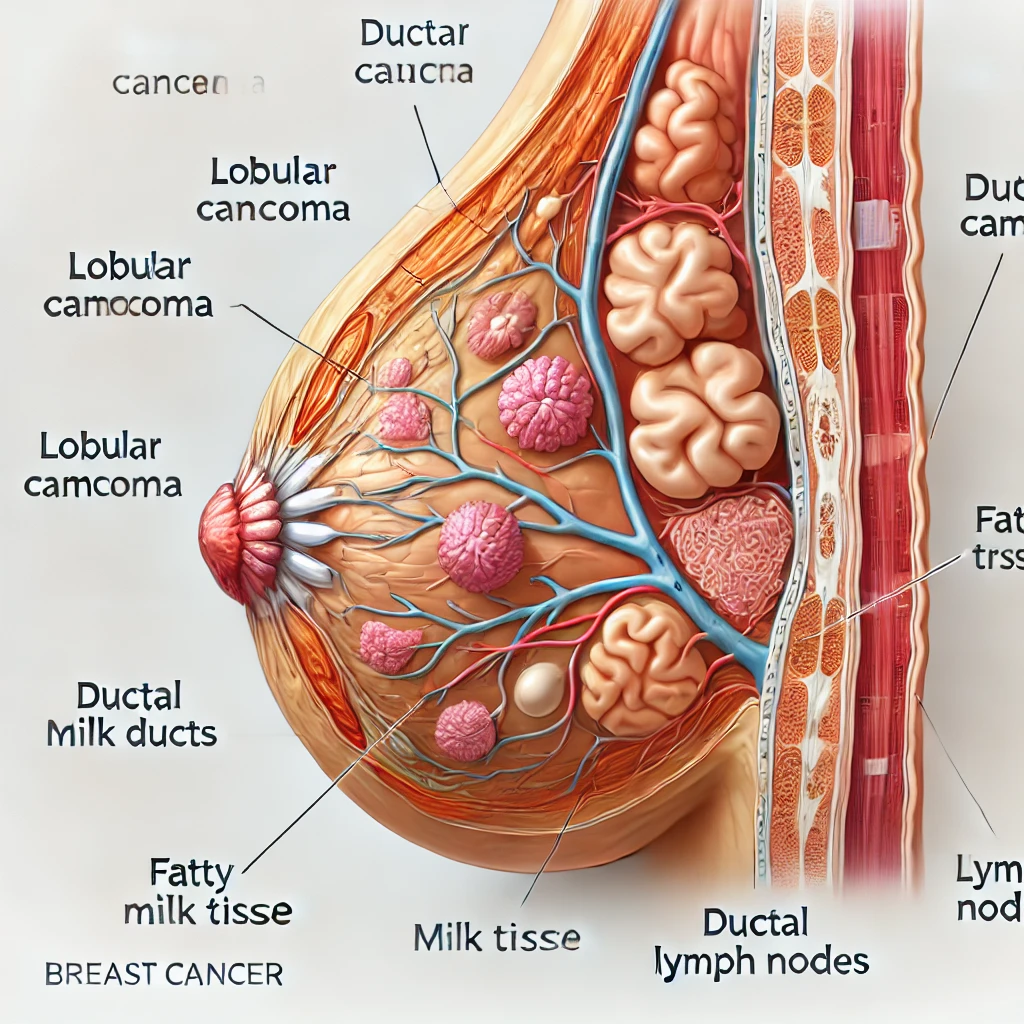
- Obtrusive (penetrating) ductal carcinoma (IDC): This disease begins in your milk conduits and spreads to local bosom tissue. It’s the most considered normal kind of bosom malignant growth in the US.
- Lobular bosom disease: This bosom malignant growth begins in the milk-creating organs (lobules) in your bosom and frequently spreads to local bosom tissue. It’s the second most considered normal bosom malignant growth in the US.
- DCIS- Ductal Carcinoma in Situ: Like IDC, this bosom disease begins in your milk conduits. The thing that matters is DCIS doesn’t spread past your milk conduits.
Less Common Breast Cancer Types Include:
- Triple-negative bosom disease (TNBC): This obtrusive malignant growth is forceful and spreads more rapidly than other bosom tumours.
- Provocative bosom malignant growth (IBC): This uncommon, quickly developing disease seems to be a rash on your bosom. IBC is unusual in the US.
- Paget’s sickness of the bosom: This interesting disease influences the skin of your areola and may seem to be a rash. Under 4% of all bosom malignant growths are caused by Paget’s infection of the bosom.

Common Symptoms
n, and unusual discharge from the nipple. Additionally, persistent pain or tenderness in the breast area may occur. Recognizing these symptoms of breast cancer is crucial for prompt diagnosis and effective treatment.
- Lump or Mass in the Breast:
- Breast lumps in women are often either fibroadenomas, cysts, or natural variations in breast tissue, known as fibrocystic changes. Fibrocystic changes result in breasts that feel lumpy and may be tender. This benign condition does not elevate the risk of developing breast cancer.
- Changes in Breast Size or Shape:
- An alteration in the size or shape of a breast can be a significant indicator of breast cancer. This may involve one breast becoming noticeably larger or smaller compared to the other or a shift in its usual contour. Such changes can occur gradually or suddenly and may be accompanied by other symptoms of breast cancer. Monitoring these changes is important, and consult a healthcare provider if you notice any differences, as they could signal an underlying issue requiring further investigation.
- An alteration in the size or shape of a breast can be a significant indicator of breast cancer. This may involve one breast becoming noticeably larger or smaller compared to the other or a shift in its usual contour. Such changes can occur gradually or suddenly and may be accompanied by other symptoms of breast cancer. Monitoring these changes is important, and consult a healthcare provider if you notice any differences, as they could signal an underlying issue requiring further investigation.
- Skin Changes on the Breast:
- Alterations in the skin of the breast can be a subtle yet important indicator of breast cancer. These changes may include unusual redness, swelling, or a dimpled texture resembling orange peel, known as peau d’orange. In some cases, the skin may become thickened or develop a rash. Such symptoms of breast cancer can signal underlying malignancy and should be evaluated by a healthcare professional for proper diagnosis and timely intervention.
- Nipple Changes or Discharge:
- Alterations in the nipple, such as unexpected discharge or changes in appearance, can be indicative of breast cancer. The discharge might appear clear, bloody, or pus-like and may occur spontaneously or with gentle pressure. Additionally, any noticeable shifts in the nipple’s position, shape, or texture, such as inversion or crusting, should be monitored. While such changes may also be linked to benign conditions, they warrant a thorough evaluation to rule out breast cancer or other serious issues.
- Pain or Tenderness in the Breast:
- Experiencing pain or tenderness in the breast can sometimes be a sign of breast cancer, although it is not always the case. This discomfort may be localized or widespread and can vary in intensity. While many benign conditions cause breast tenderness, persistent or unusual pain that doesn’t align with the normal menstrual cycle, or changes in breast tissue should be evaluated by a healthcare professional. Early consultation is crucial for accurate diagnosis and to rule out or address potential cancerous developments.
How to Monitor and Assess Symptoms of Breast Cancer
Regular monitoring of breast health is essential for early detection of breast cancer. It includes performing monthly self-examinations to identify any unusual changes, such as lumps, skin alterations, or nipple discharge. It’s also important to understand your normal breast texture and appearance to notice any deviations.
In addition to self-checks, scheduling routine mammograms and clinical breast exams with a healthcare provider helps ensure thorough assessment. If any irregularities are detected, seeking prompt medical advice is crucial for accurate diagnosis and timely intervention.
- Self-Examination Techniques: Stand upright and observe for any signs of puckering, dimpling, or alterations in the size, shape, or symmetry of your breasts. Notice if your nipples appear inverted. Examine your breasts while pressing your hands firmly on your hips. Next, raise your arms overhead and press your palms together to continue the inspection.
- When to Need Medical Advice: If you notice any changes in your breasts—such as the appearance of lumps, unusual discharge, or alterations in the skin’s texture or colour—it’s crucial to consult a healthcare professional without delay. Prompt medical evaluation can significantly enhance the likelihood of effective treatment and a positive outcome.
- Importance of Regular Screenings: For countless women, mammograms play a crucial role in the early detection of breast cancer, often identifying the disease before it becomes palpable or symptomatic. Early detection through routine mammograms significantly increases the chances of successful treatment and can reduce the risk of fatal outcomes associated with breast cancer. Regular screenings are a vital preventive measure that may save lives by catching the disease in its most manageable stages.
Prevention and Safety Measures
Although making healthy lifestyle choices can reduce your risk of breast cancer, there’s no foolproof diet, exercise plan, or miracle food that guarantees complete prevention. Even those who follow recommended health practices—like maintaining a healthy weight, breastfeeding, and more—can still face a breast cancer diagnosis due to factors beyond their control.
However, there are ten proactive steps you can take that may lower your risk not only for breast cancer but also for other serious diseases like heart disease and diabetes.
- Keep a Healthy Weight:
- Being at a healthy weight can reduce the risk of breast cancer in women after menopause. There is some evidence that obesity may increase the risk for aggressive breast cancers, including hormone receptor-positive tumors. Losing even a small amount of weight has health benefits.
- Cut Back on Meat:
- Diets rich in processed red meats may heighten the risk of breast cancer. Including plant-based proteins like nuts, beans, and lentils is a healthier alternative.
- Boost Your Intake of Fruits, Vegetables, and Whole Grains:
- Eating a variety of foods, such as whole grains, vegetables, and fruits, can help reduce the risk of breast cancer, particularly for estrogen receptor-negative types. Prioritize a well-rounded diet that emphasizes plant-based ingredients.
- Limit Alcohol Consumption:
- Alcohol is recognized as a carcinogen, and even moderate drinking can elevate your breast cancer risk, particularly for hormone receptor-positive cancers. Cutting back on alcohol or eliminating it can lower this risk.
- Stop Smoking:
- The risk of breast cancer will be maximized by smoking, especially if you have a family history of the disease. Quitting smoking is a vital step in cancer prevention.
- Stay Physically Active:
- Maintaining a healthy weight through regular physical activity helps reduce the risk of breast cancer. Aim for at least 30 minutes of exercise each day to enhance your overall health and decrease the chance of recurrence.
- Consider Breastfeeding:
- If you can, breastfeeding may offer some protective benefits against breast cancer by reducing the number of menstrual cycles throughout your life.
- Review Hormone Usage:
- Hormonal contraceptives and hormone replacement therapy may increase breast cancer risk. It’s important to discuss the pros and cons with your doctor to make the best decision for your situation.
- Understand Your Family History:
- Knowing your family’s cancer history on both sides can help you make informed decisions about your screening schedule and risk management.
- Explore High-Risk Preventive Options:
- If you have a genetic predisposition, such as carrying the BRCA1/2 gene, discuss preventive measures like medications, surgery, or more frequent screenings with your healthcare provider to manage your risk effectively.
Comprehensive Medical Treatments for Breast Cancer
Breast cancer treatments are tailored to the type and progression of the disease.
- Surgery: Through surgery, cancerous tissue can be removed.

- Chemotherapy: Chemotherapy uses medications to shrink or eliminate breast cancer, administered either as oral pills or through intravenous infusion.
- Hormonal Therapy: Hormonal therapy targets and blocks the hormones that cancer cells need to grow.
- Biological Therapy: Biological therapy supports the immune system in fighting breast cancer or managing side effects from other treatments.
- Radiation Therapy: Radiation therapy employs high-energy rays to target and destroy cancer cells precisely.
It’s important to work with your healthcare provider to develop the most appropriate treatment strategy for your case. Considering a second opinion can also offer valuable insights into your treatment options.
Worldwide Breast Cancer Statistics
- Incidence: In 2023, breast cancer remains the most frequently diagnosed cancer globally. It is estimated that there will be approximately 2.5 million new cases of breast cancer this year. Source: World Health Organization (WHO)
- Mortality: Breast cancer continues to be the leading cause of cancer-related deaths among women. In 2023, it is projected that around 685,000 women will die from breast cancer worldwide. Source: World Health Organization (WHO)
- Survival Rates: The global five-year survival rate for breast cancer is around 88% overall. In high-income countries, the rate is approximately 92%, while in low- and middle-income countries, it is around 68%. Source: Global Cancer Observatory
- Prevalence: As of 2023, an estimated 8 million women are living with breast cancer within the past five years. Source: Global Cancer Observatory
- Regional Variations: Incidence rates are highest in North America, Australia/New Zealand, and Western Europe. Lower rates are seen in regions such as Asia and parts of Africa. Source: Global Cancer Observatory
These updated statistics reflect the ongoing challenge of breast cancer and the need for continued focus on research, prevention, and treatment.
Summary of Key Points
Breast cancer treatment options are diverse and depend on the type and stage of the disease. Key treatments include surgery to remove cancerous tissue, chemotherapy to shrink or eliminate cancer, hormonal therapy to block hormones that fuel cancer growth, biological treatment to enhance the immune system’s ability to fight cancer, and radiation therapy to target and destroy cancer cells.
Encouragement to Take Preventive Actions
Taking proactive steps towards breast cancer prevention is crucial. Regular screenings, self-exams, and awareness of family history can significantly improve early detection and outcomes. Consulting with healthcare professionals and considering lifestyle changes can further enhance your overall health and reduce cancer risk.